For over a century, carbon has been framed as a liability—extracted from the Earth, burned to power industrial expansion, and released into the atmosphere as an unavoidable byproduct of progress. This long-standing narrative reflects not a limitation of carbon itself, but a limitation in how civilization has chosen to perceive and utilize it. Carbon is not waste. It is one of the most fundamentally versatile structural elements known to science, capable of forming the basis of energy systems, advanced materials, and life itself.
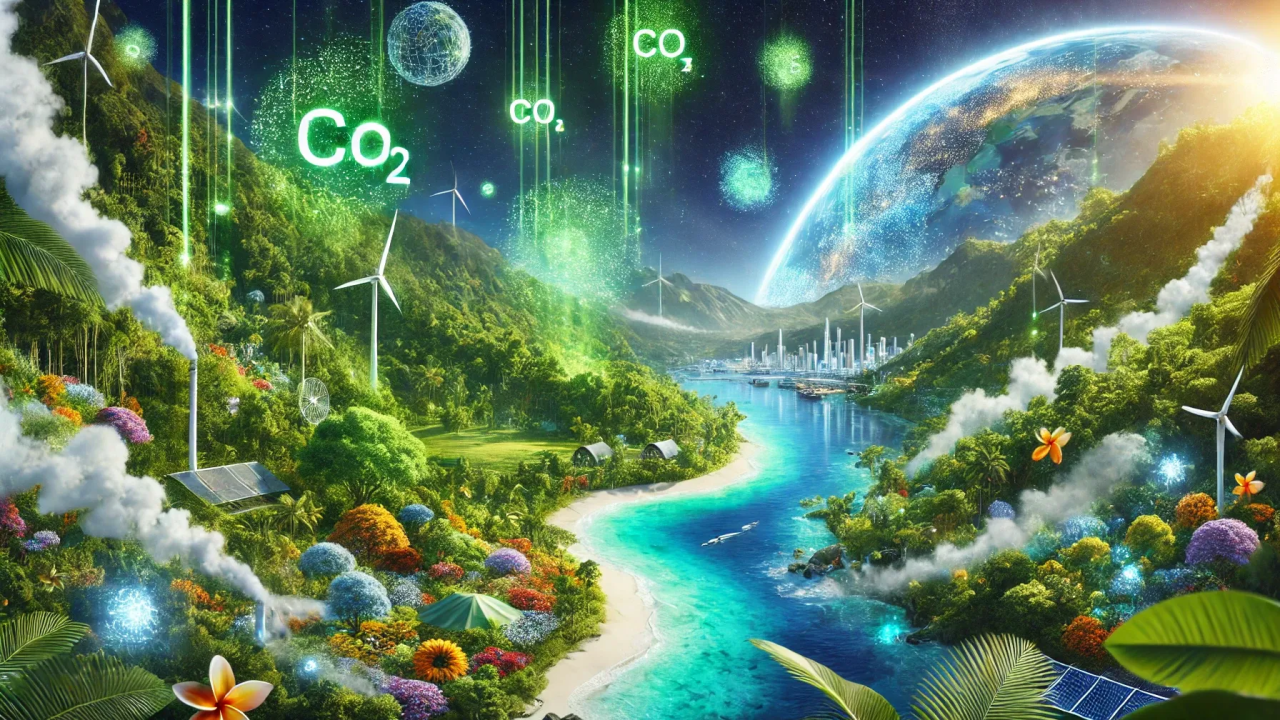
Nature already demonstrates the most powerful carbon-processing system on the planet. Through photosynthesis, sunlight, water, and atmospheric CO₂ are continuously transformed into structured organic matter—biomass. This is not a marginal biological function; it is a planetary-scale manufacturing process operating across ecosystems, converting diffuse atmospheric gases into ordered, functional material systems with extraordinary efficiency.
What is now emerging is the ability to intentionally guide, amplify, and integrate this natural process into a coordinated industrial and economic framework.
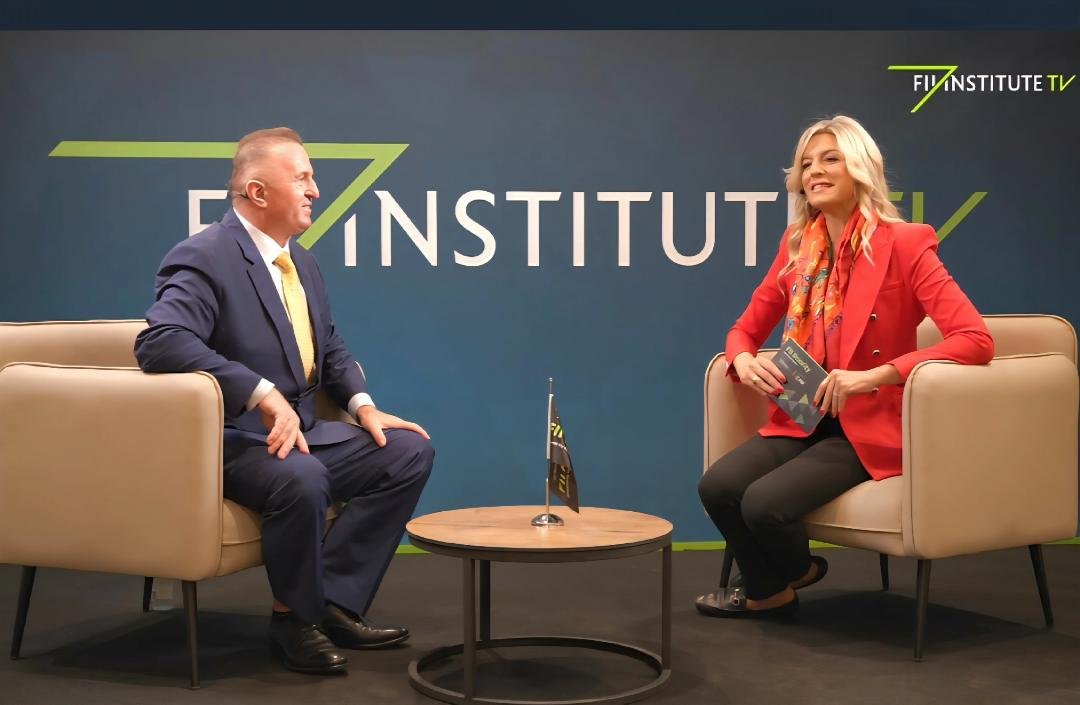
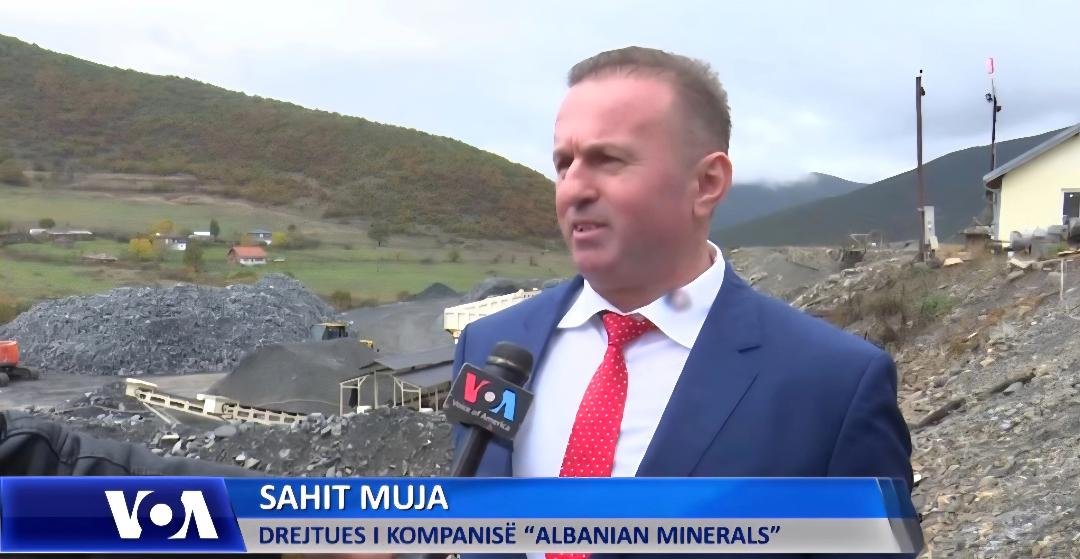
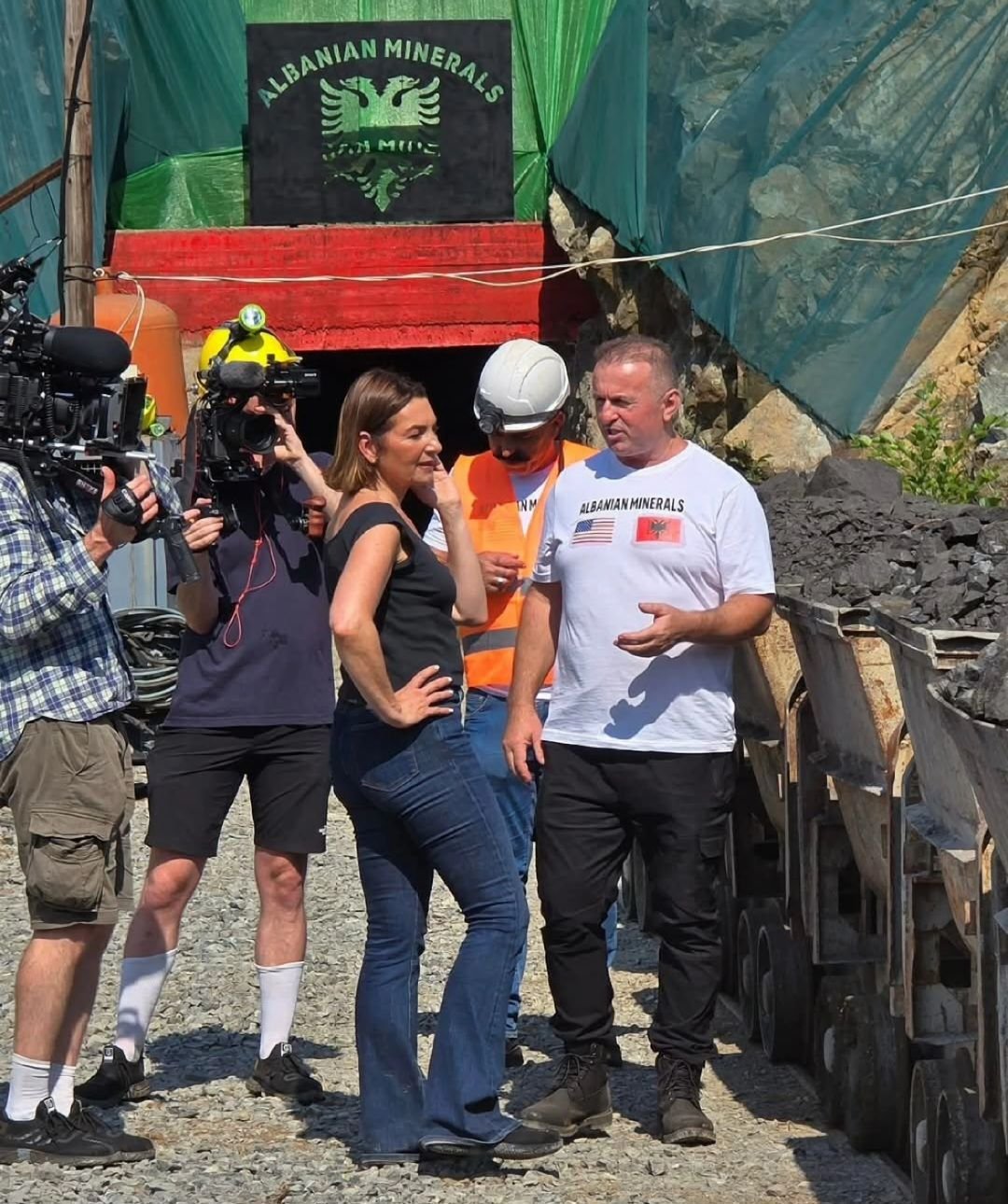
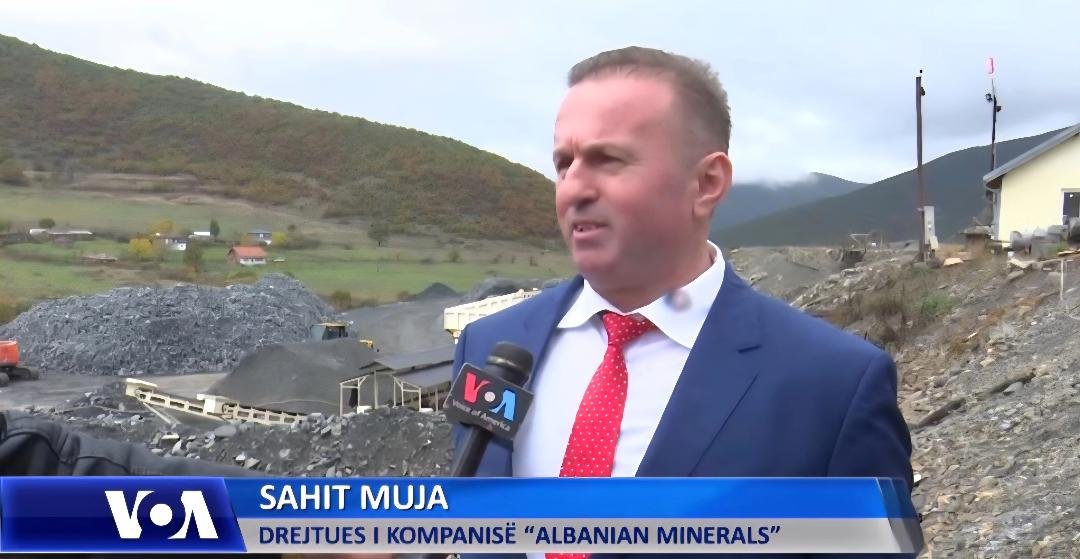
At the center of this shift is the regenerative carbon economy developed by Sahit Muja, a system that reframes atmospheric carbon as a primary industrial input rather than an externality to be managed. Within this architecture, carbon is dynamically integrated with hydrogen, oxygen, and a critical layer of high-value green minerals that function as catalytic and structural enhancers across the entire system. In this convergence, biology and geology are no longer separate domains—they become a unified production platform.
At planetary scale, this model directly addresses the challenge of nearly 2 trillion tons of atmospheric CO₂, transforming what is widely perceived as a global burden into a distributed strategic resource. Instead of being a destabilizing accumulation in the atmosphere, carbon becomes the foundation for energy independence, food security, and next-generation industrial production.
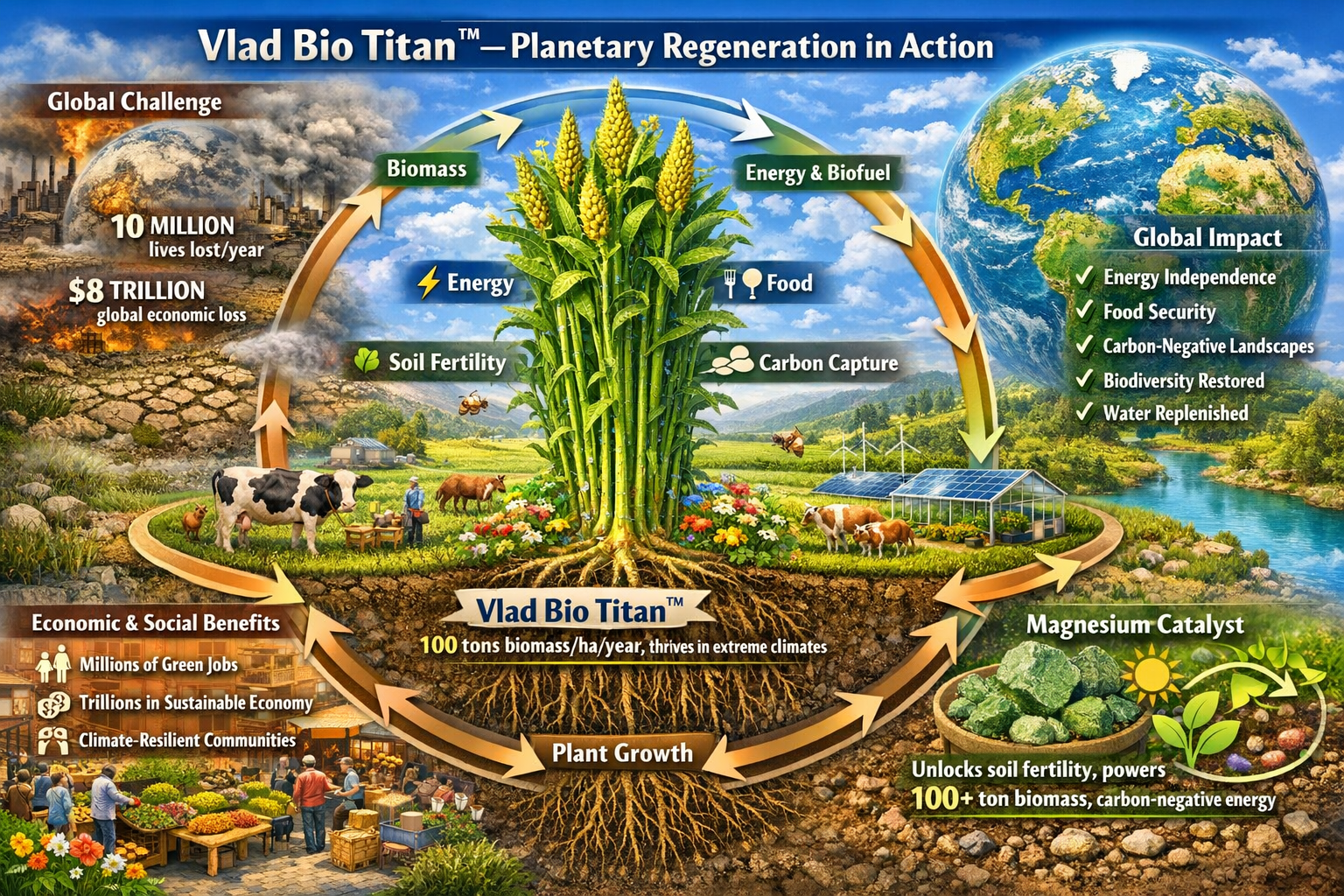
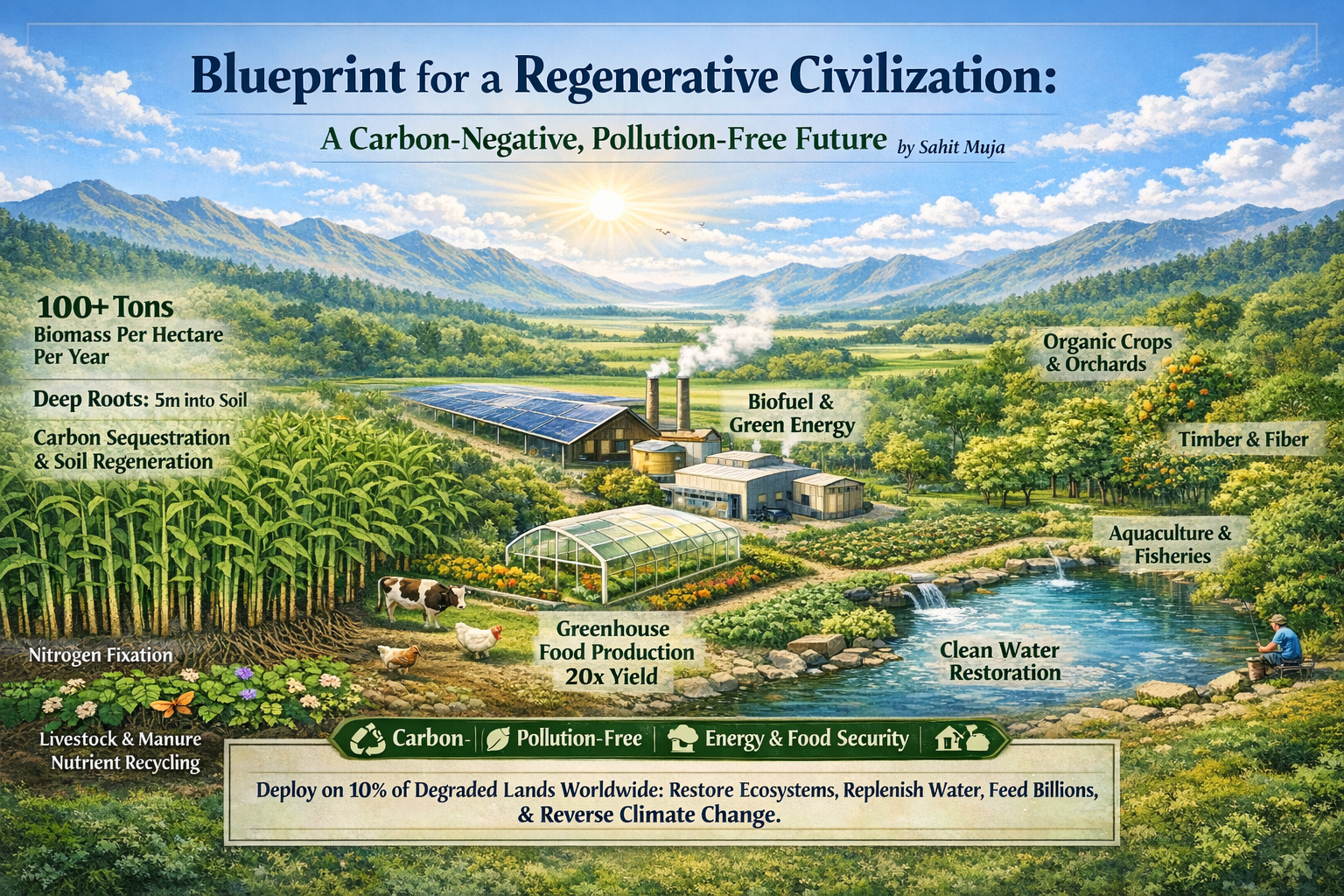
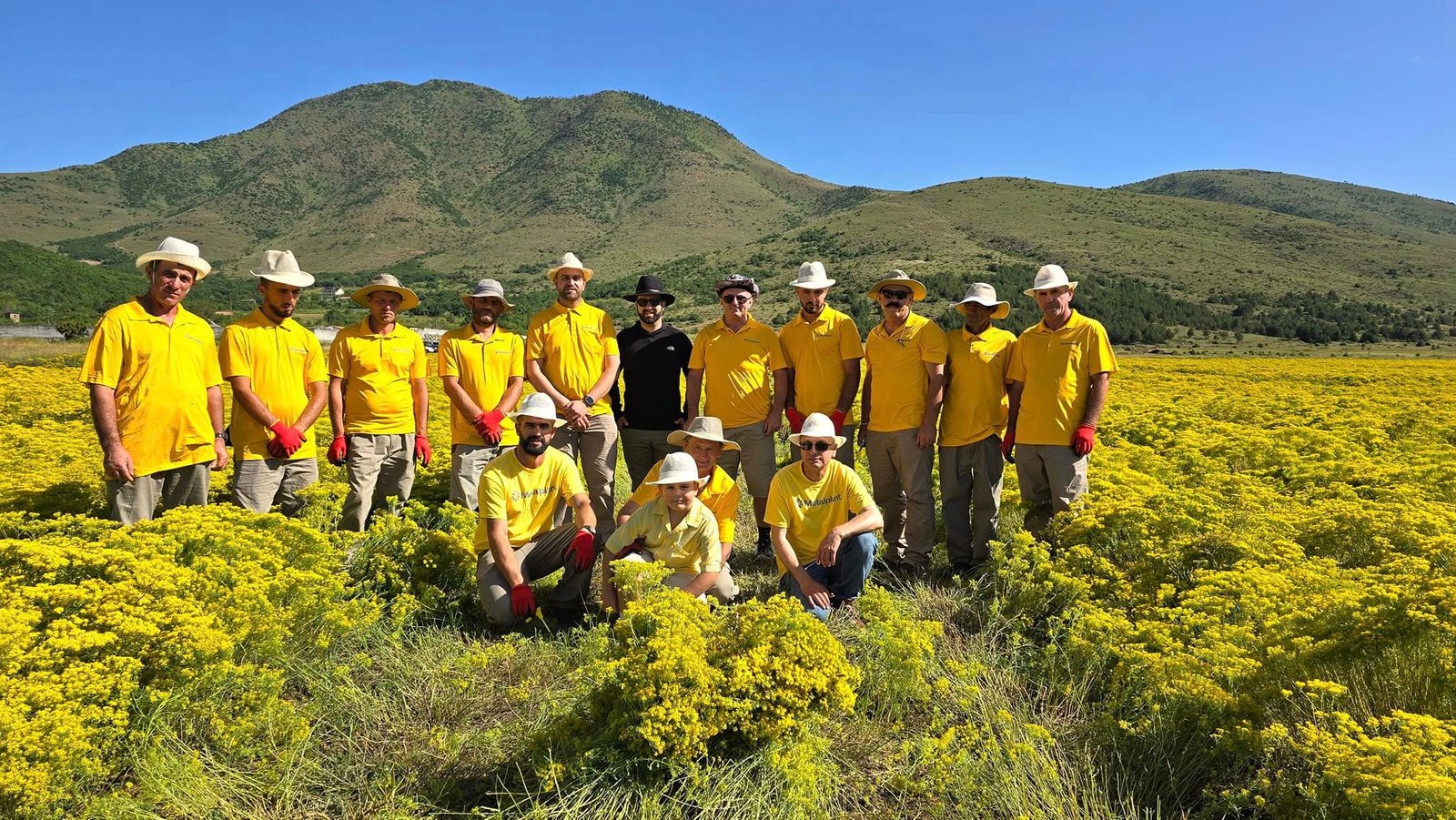
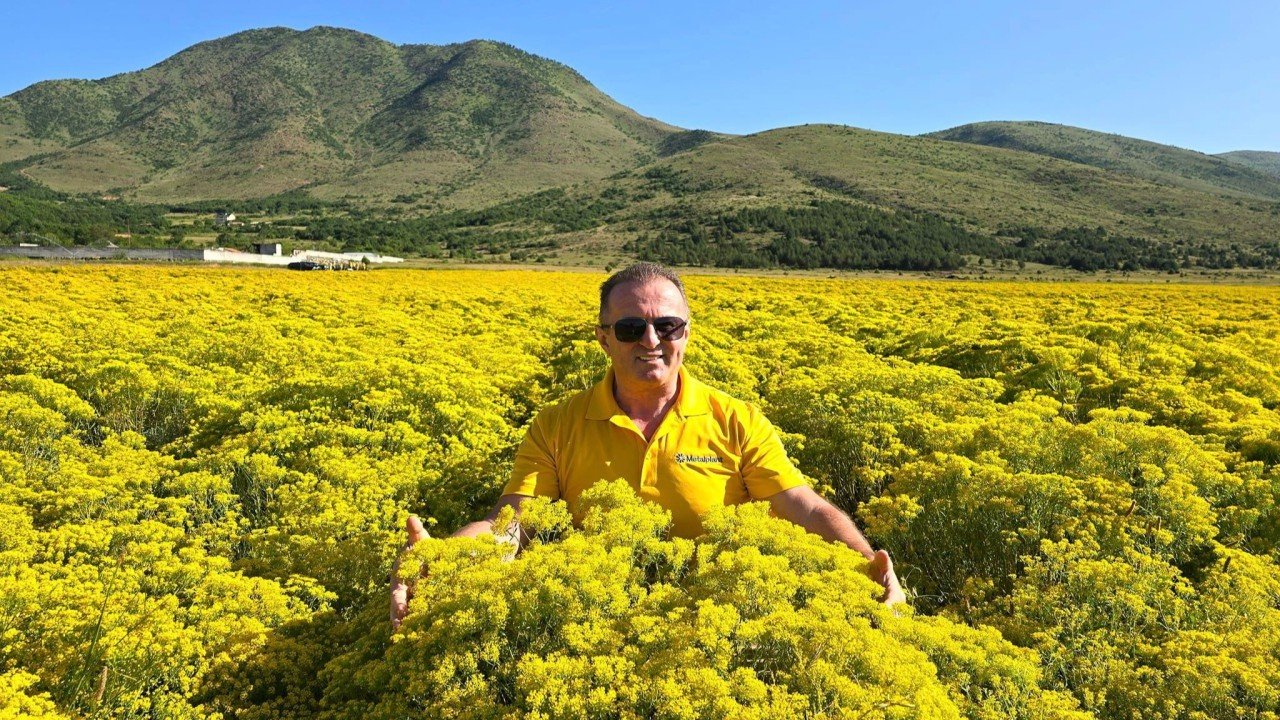
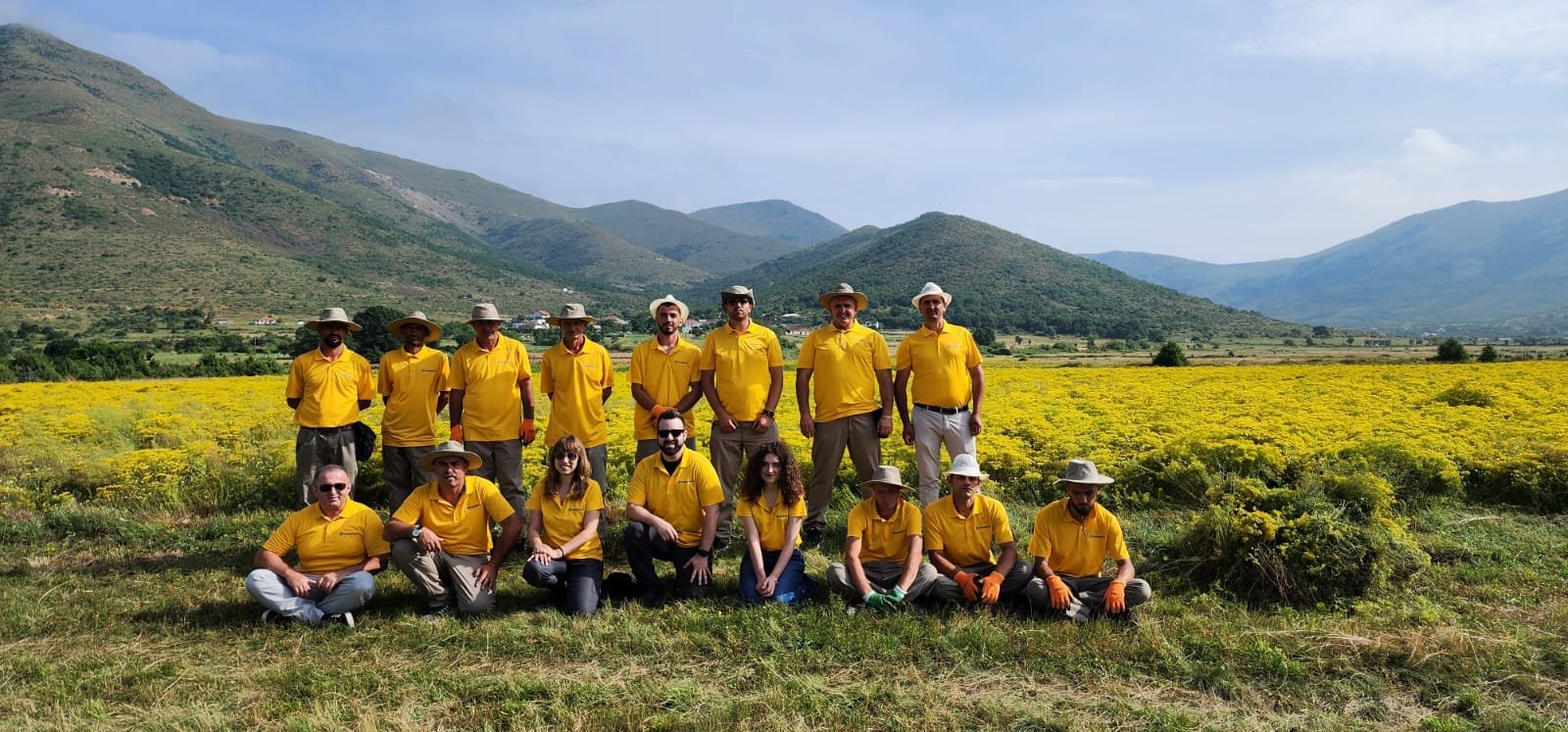
Engineered perennial plant systems operate at the core of this transformation as living reactors. These systems capture atmospheric CO₂ with high efficiency and convert it into dense, structured biomass at scale. Unlike conventional agricultural models, which are limited primarily to food production, these systems function as multi-output platforms—simultaneously generating renewable energy, advanced biofuels, food systems, and industrial feedstocks.
The critical transition occurs after initial energy extraction. What remains is not waste, but concentrated carbon with exceptional structural potential. This material becomes the feedstock for advanced manufacturing pathways that define the next industrial era.
Graphene-class carbon structures enable ultra-high-performance computing systems and advanced energy storage technologies. Carbon fiber materials deliver lightweight, high-strength solutions for infrastructure, aerospace, and mobility systems. Synthetic diamond-like materials provide extreme durability, thermal conductivity, and precision performance for advanced manufacturing and emerging quantum-scale technologies. Importantly, these materials are not mined through extractive depletion, but cultivated and engineered from atmospheric carbon itself.
This represents a fundamental inversion of industrial logic: instead of extracting concentrated carbon from geological reserves and releasing it into the atmosphere, the system captures dispersed atmospheric carbon and organizes it into structured, high-value materials.
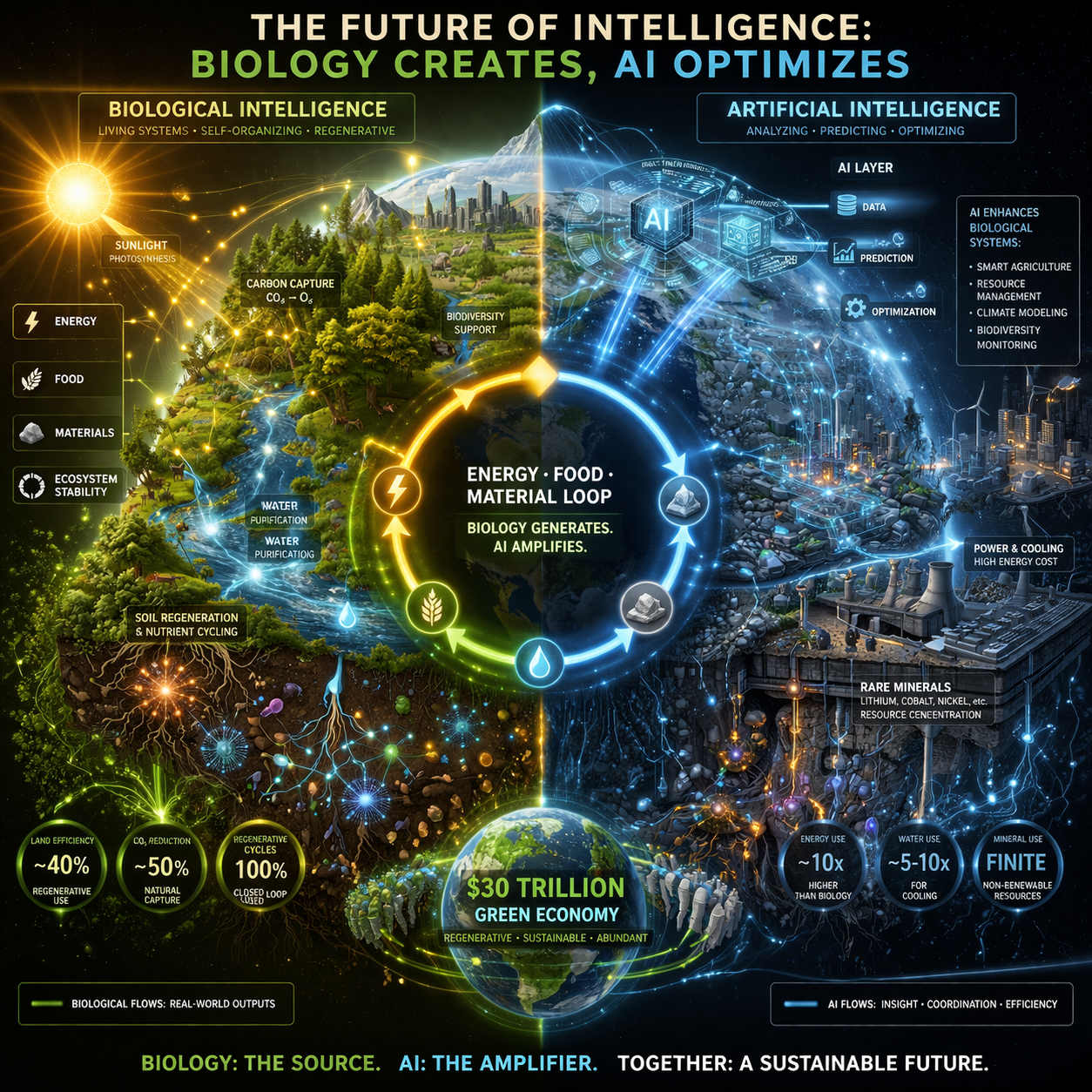
Within this framework, agriculture evolves beyond food production into a high-performance materials and energy industry. Land becomes a programmable platform capable of producing energy, food, and the structural building blocks of future civilization. Biological systems—soil microbiomes, nutrient cycles, and adaptive ecosystems—provide continuous optimization, while artificial intelligence enables predictive control, system coordination, and scaling across environments.
Green mineral catalysts are embedded throughout every layer of the system, enhancing photosynthetic efficiency, accelerating carbon conversion, and improving material performance. Together, these elements form an integrated biological-industrial intelligence network.
The result is a closed-loop carbon system in which atmospheric CO₂ flows continuously through stages of capture, biological transformation, energy production, material synthesis, and ecological reintegration. Nothing is wasted. Every output becomes an input, and each cycle increases efficiency, resilience, and productive capacity.
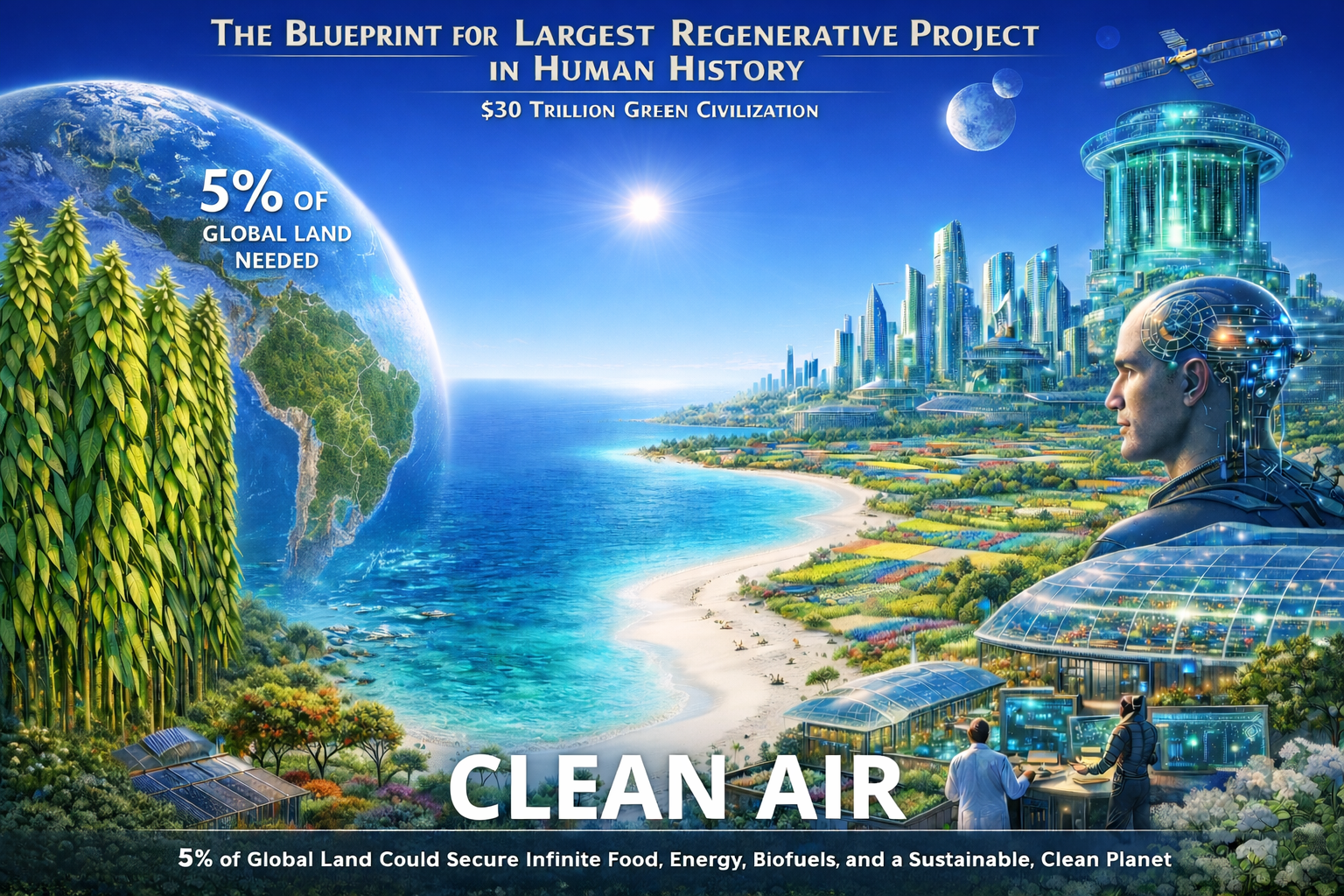
At full scale, this system enables a form of economic and ecological independence that fundamentally redefines resource constraints. Energy is generated locally from biological systems. Food is produced through regenerative land platforms. Advanced materials are cultivated rather than extracted. The dependence on finite fossil reserves is progressively replaced by continuous atmospheric carbon cycling.
In this emerging paradigm, atmospheric carbon transitions from being a perceived environmental risk to becoming a foundational global asset—capable of sustaining energy systems, food production, infrastructure development, and advanced material economies simultaneously.
This shift represents more than technological innovation. It signals a structural redesign of industrial civilization itself, where productivity is no longer dependent on depletion and growth is no longer achieved through extraction. Instead, economic expansion becomes a function of regeneration, system intelligence, and continuous material renewal.
In this vision advanced by Sahit Muja, the transformation of nearly 2 trillion tons of atmospheric CO₂ is not merely an environmental intervention—it is the foundation of a new model of independence. A system in which energy, food, and future materials are no longer constrained by scarcity, but continuously generated through the intelligent orchestration of carbon, biology, and technology.
Carbon, in this context, is no longer something to be managed or constrained. It becomes something to be engineered, structured, and elevated—forming the foundational substrate of a regenerative, intelligent, and exponentially scalable civilization.