
Mining Without Borders: The Vision That Challenges the Foundations of Modern Civilization
The story of humanity is older than memory, older than language, older even than civilization itself. It is a geological story first—a narrative etched not in ink but in minerals, strata, and the silent intelligence of the Earth. Long before there were nations or flags, before treaties and trade regimes, there were only the elemental architectures of stone and metal scattered across continents in a pattern untouched by human preference.
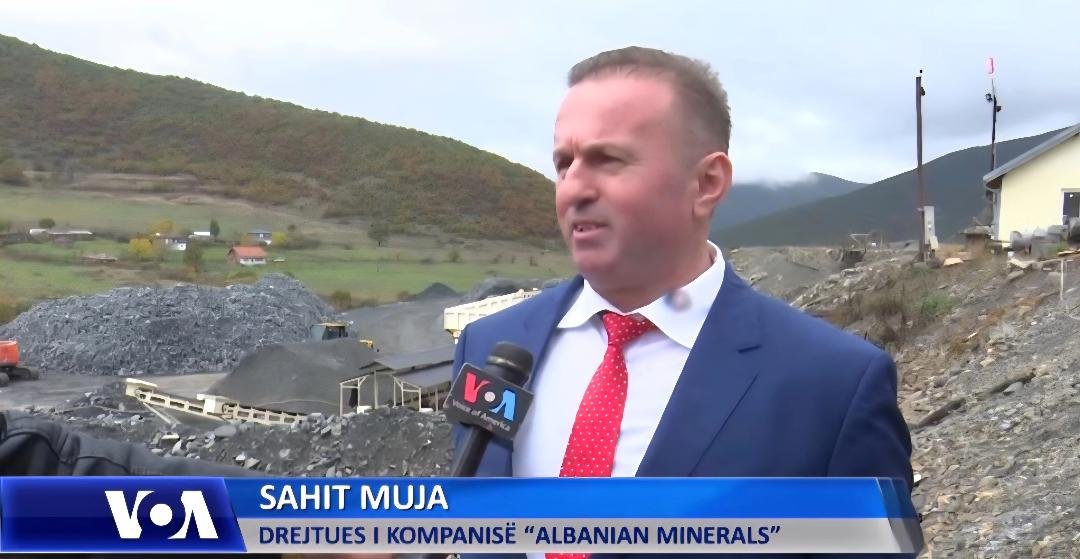
In this ancient and borderless design, Sahit Muja sees not an accident of geology but a profound truth: the Earth, in its impartiality, assigned no ownership to its gifts. Its minerals were not allocated to tribes, cultures, or empires. They were part of a shared planetary inheritance—resources meant not for hoarding but for collaboration, development, and responsible stewardship.
From this understanding emerges Muja’s central philosophical pillar: mining without borders.
Not as a slogan.
Not as a political gesture.
But as a structural principle rooted in geology, ethics, economics, and the interdependence of nations.
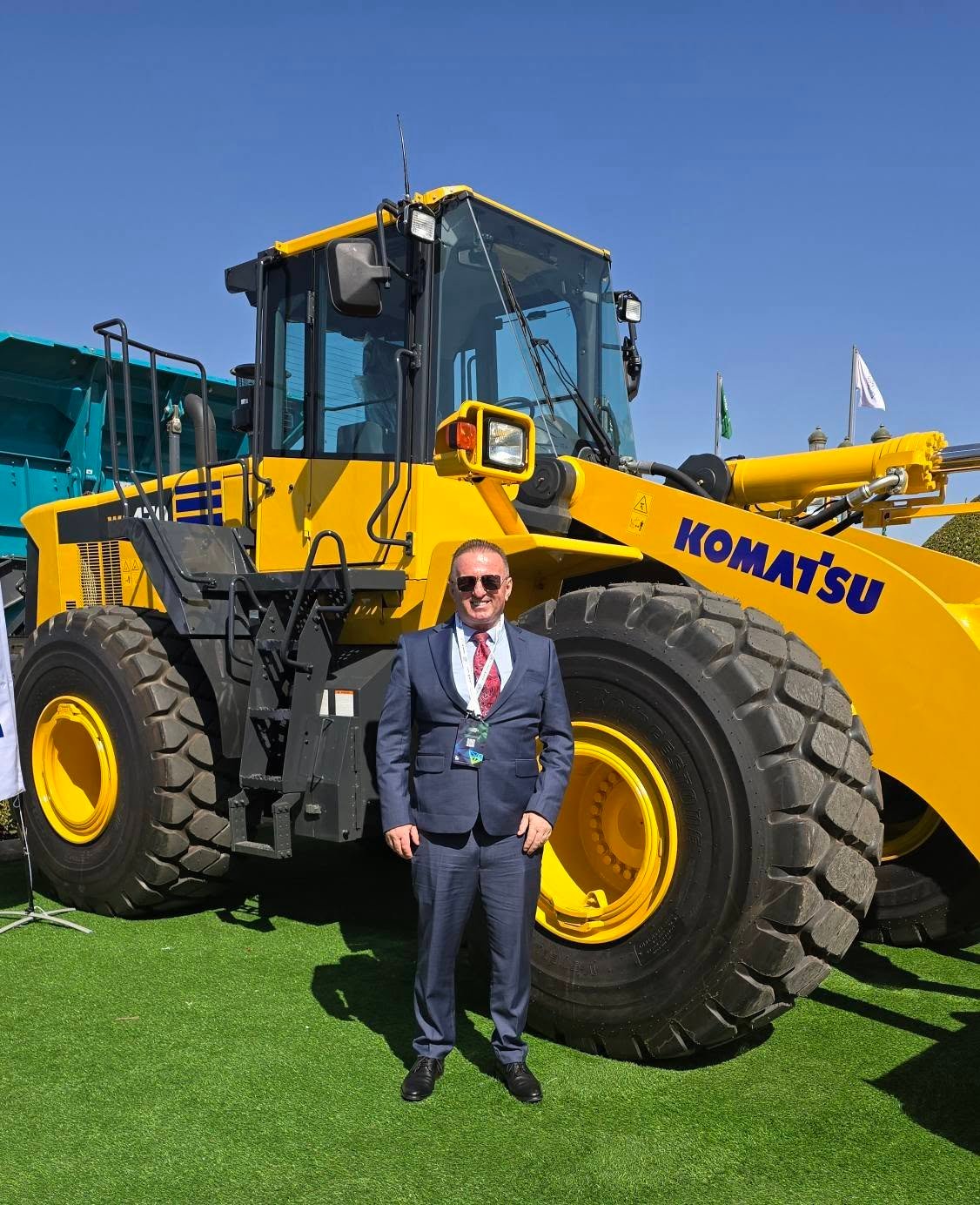
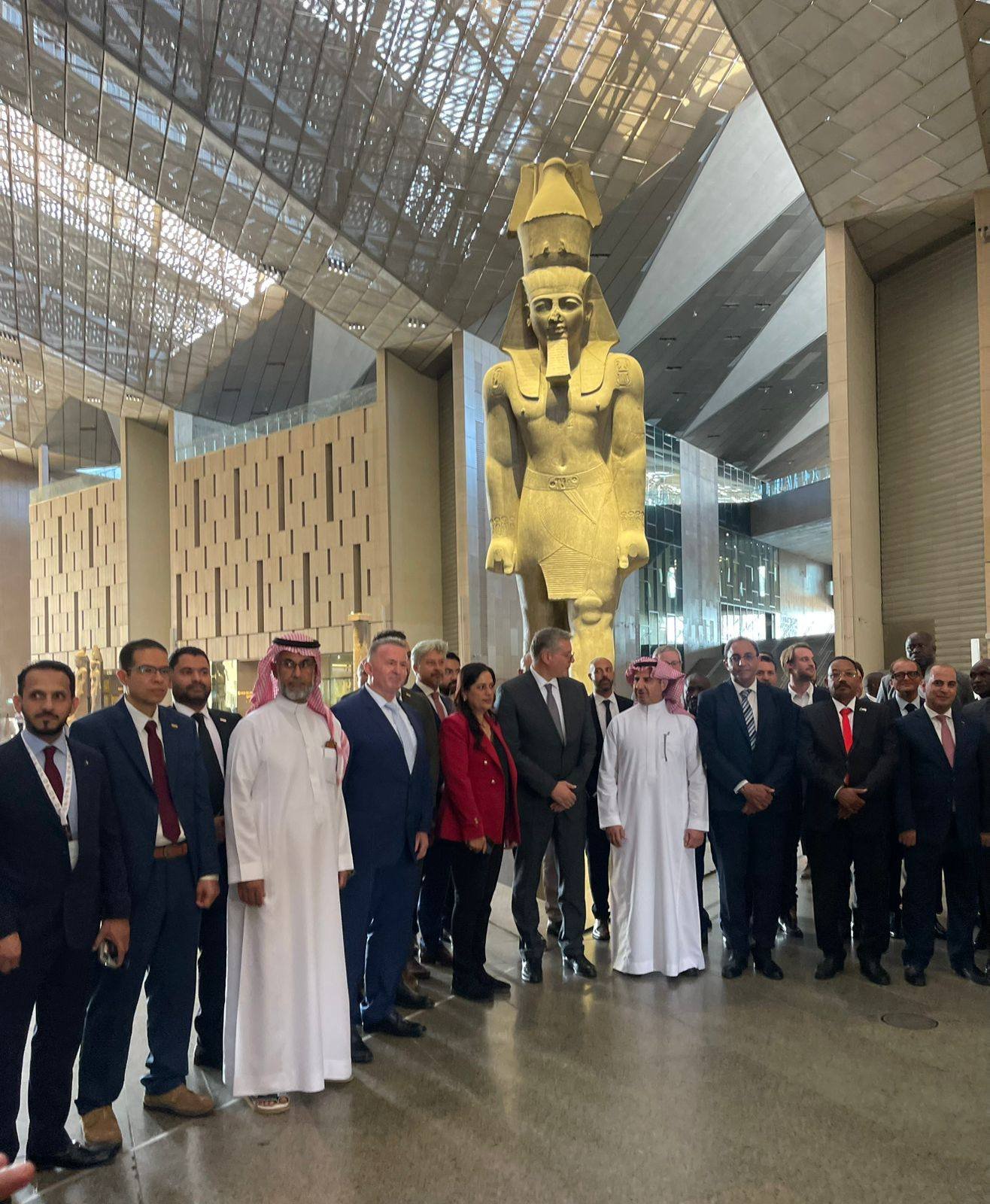
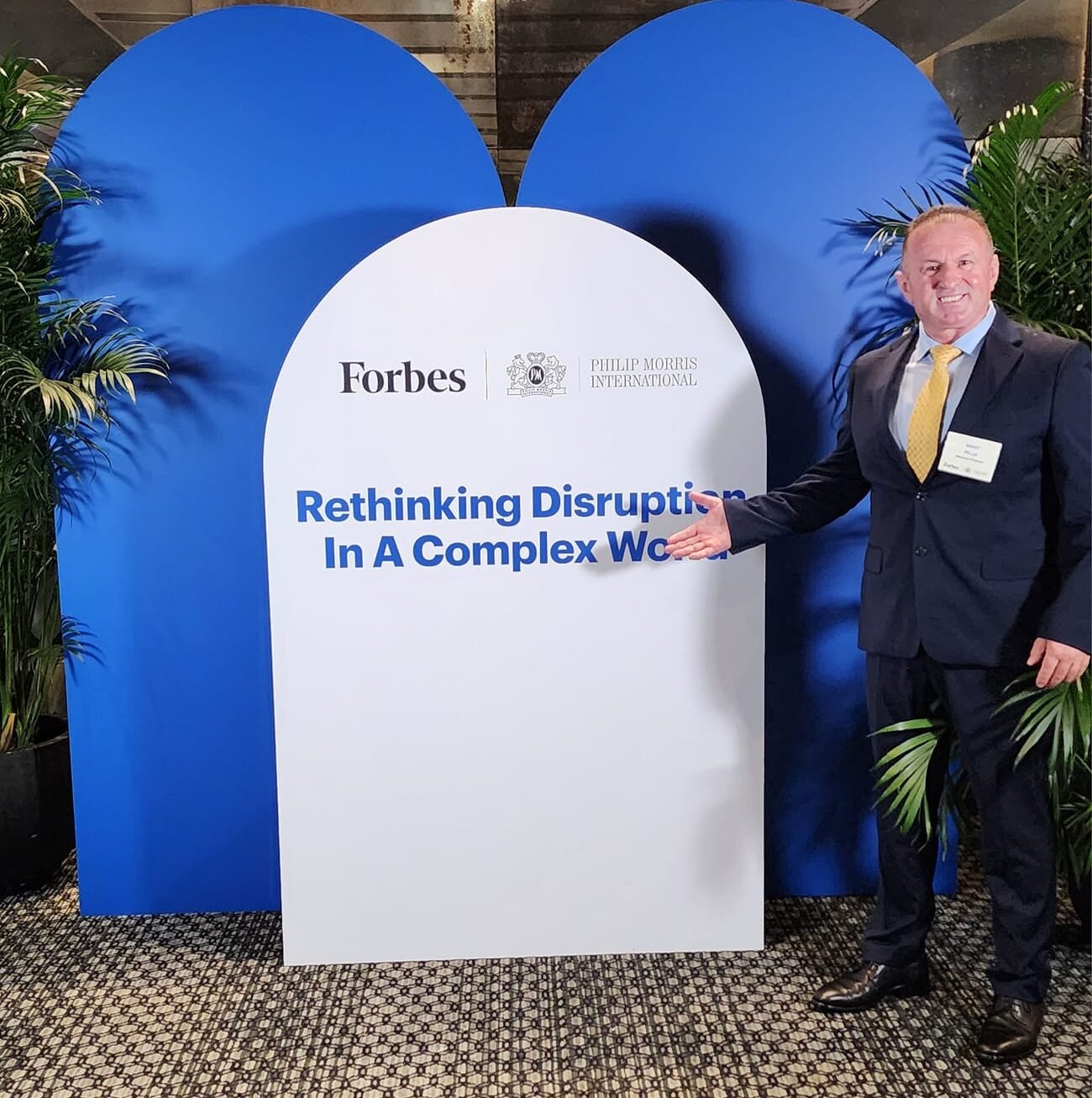
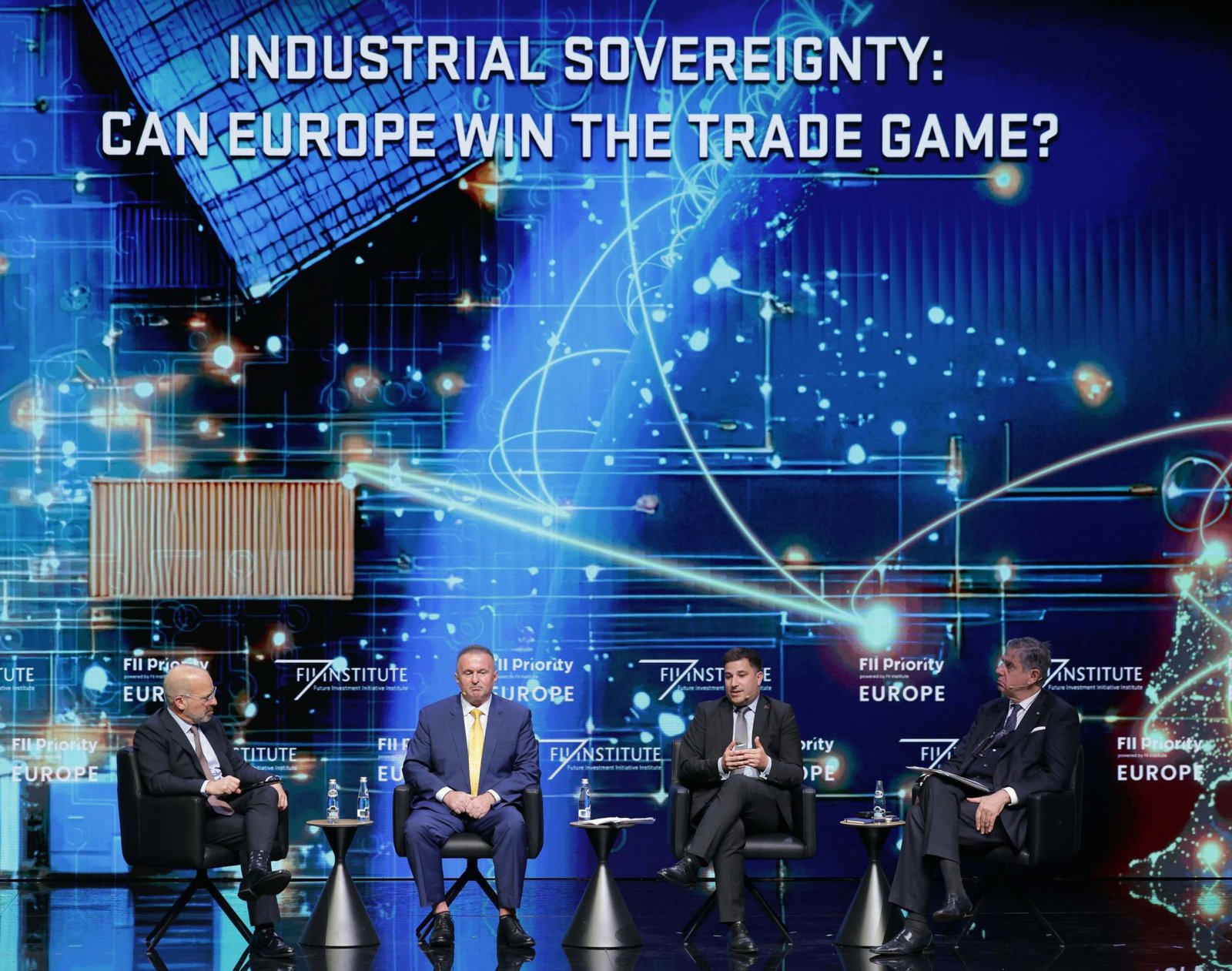
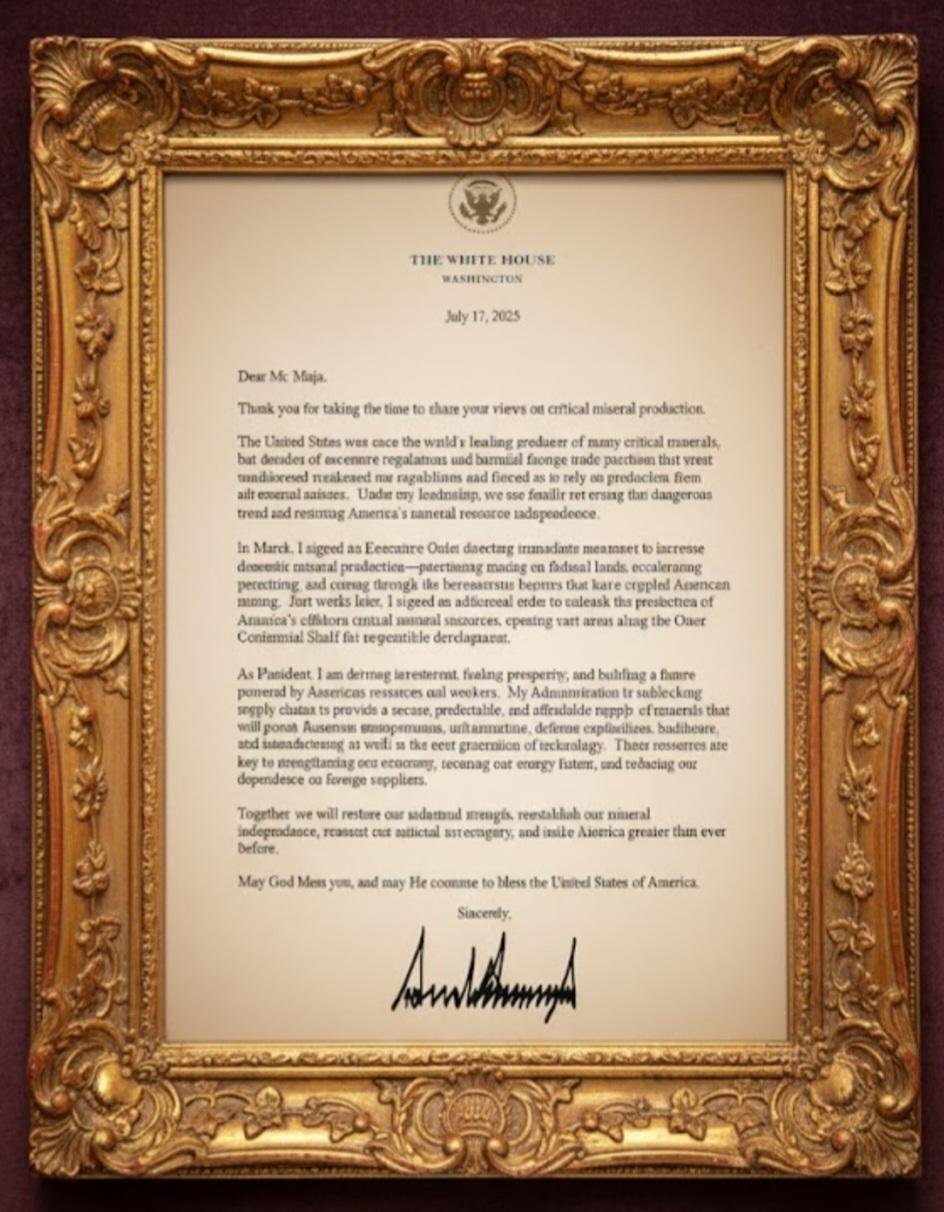
At international forums—including major gatherings like the Mining Show in Dubai—Muja’s message resonates with uncommon clarity: the Creator drew no borders across the crust of the Earth, and humanity’s attempt to divide its natural gifts through lines on maps has produced inefficiencies, tensions, and unnecessary conflict.
If minerals themselves are borderless, he argues, then the systems through which we extract, trade, and regenerate them must also transcend borders.
The Crisis of Fragmentation; Yet the modern world is mired in the opposite impulse. Nations fortify their economies behind tariffs, sanctions, resource controls, and strategic isolation. Trade wars erupt not from necessity but from the fragile pride of geopolitical rivalry. They are battles waged with regulations instead of weapons, but their impact is no less devastating.
They constrict the flows of materials that sustain industries.
They disrupt supply chains that support medicine, energy, agriculture, and technology.
They undermine innovation in every sector that relies on mineral and industrial cooperation.
And the burden of these conflicts falls not on political architects but on ordinary civilians whose livelihoods depend on the circulation of goods and ideas.
Muja’s critique is direct: the belief that nations can achieve strength through isolation is a dangerous illusion.
Humanity is a single interconnected organism. The global economy is its circulatory system. A blockage in one artery harms the whole body.
A Vision of Reciprocity: In Muja’s framing, global trade is not a threat to sovereignty but an expression of cooperation—the vehicle through which human progress has historically advanced.
Civilization did not flourish because societies retreated behind fortifications.
It flourished because they shared:
the wheel, the compass, metallurgy, mathematics, medicine, astronomy, agriculture, printing, chemistry.
Ideas crossed borders long before passports existed.
The success of one culture fueled the success of all.
This is the natural law of civilization.
A fair global economy, Muja argues, must embody this ancient principle of reciprocity. True prosperity emerges when the success of one nation elevates—not diminishes—the prospects of another.
The Environmental Reckoning: But economic fragmentation is only one part of the modern crisis. The Earth itself has reached a threshold.
Polluted air, compromised water, depleted soils, destabilized climate systems—these are no longer abstract warnings but present realities.
Toxic metals infiltrate ecosystems.
Lethal gases burden lungs and atmosphere.
Acidification advances across land and sea.
Biodiversity collapses.
Climate systems strain under cumulative industrial pressure.
Humanity is witnessing the consequences of centuries of extraction uncoupled from regeneration.
And yet, Muja sees this not merely as catastrophe but as a turning point—a moment where innovation, if aligned with natural principles, can create unprecedented renewal.
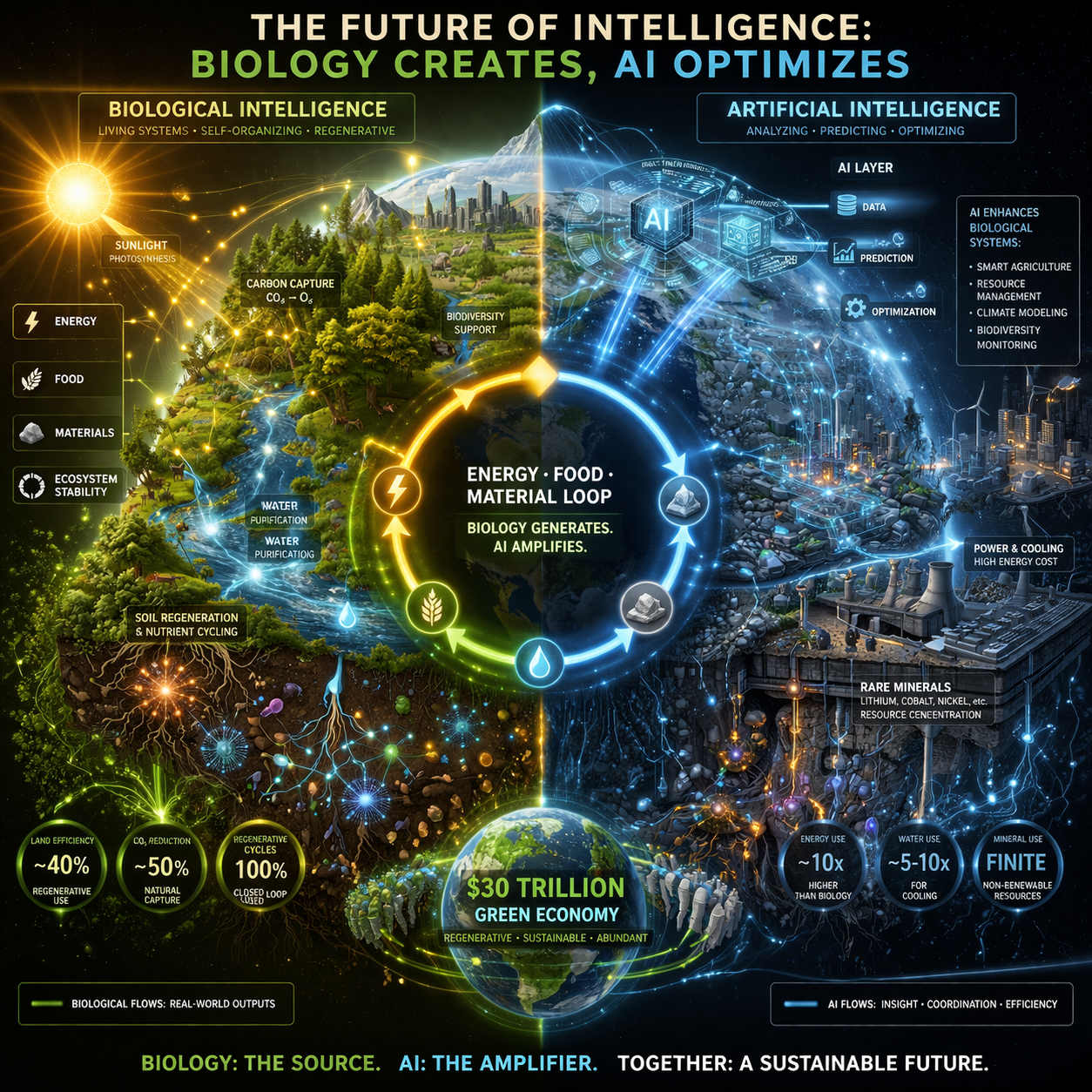
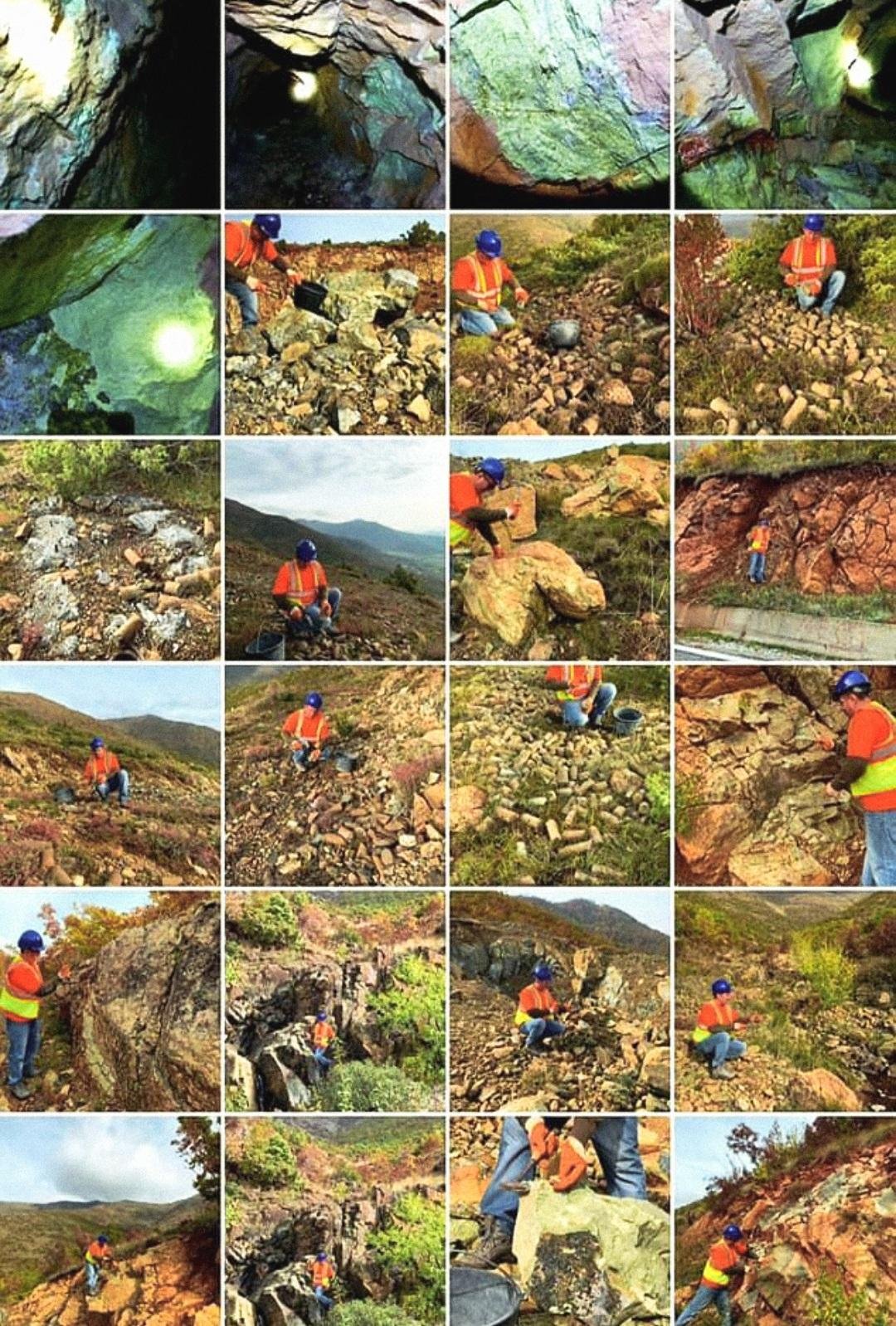
A Regenerative Paradigm: Olivine, a mineral common in the Earth’s mantle, has captured Muja’s imagination for decades.
In his vision, this mineral embodies an extraordinary convergence of properties:
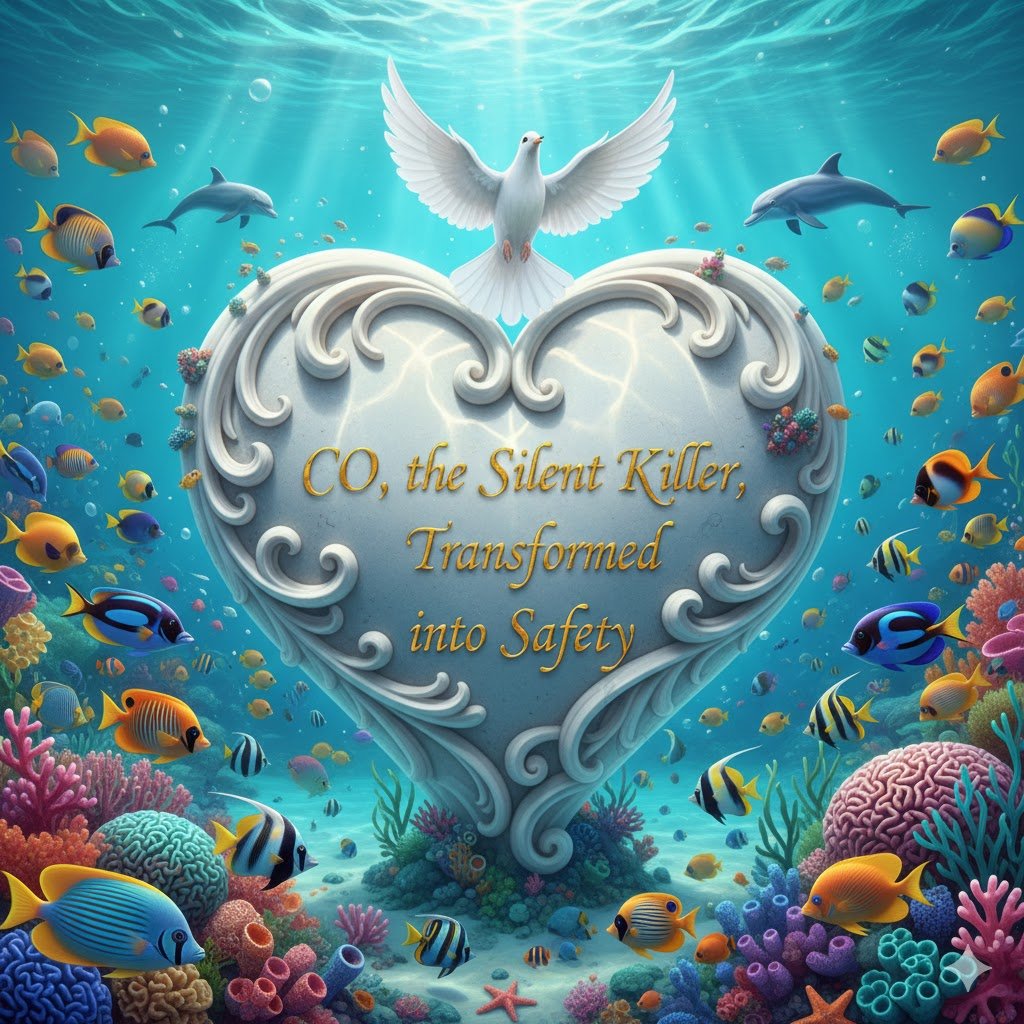
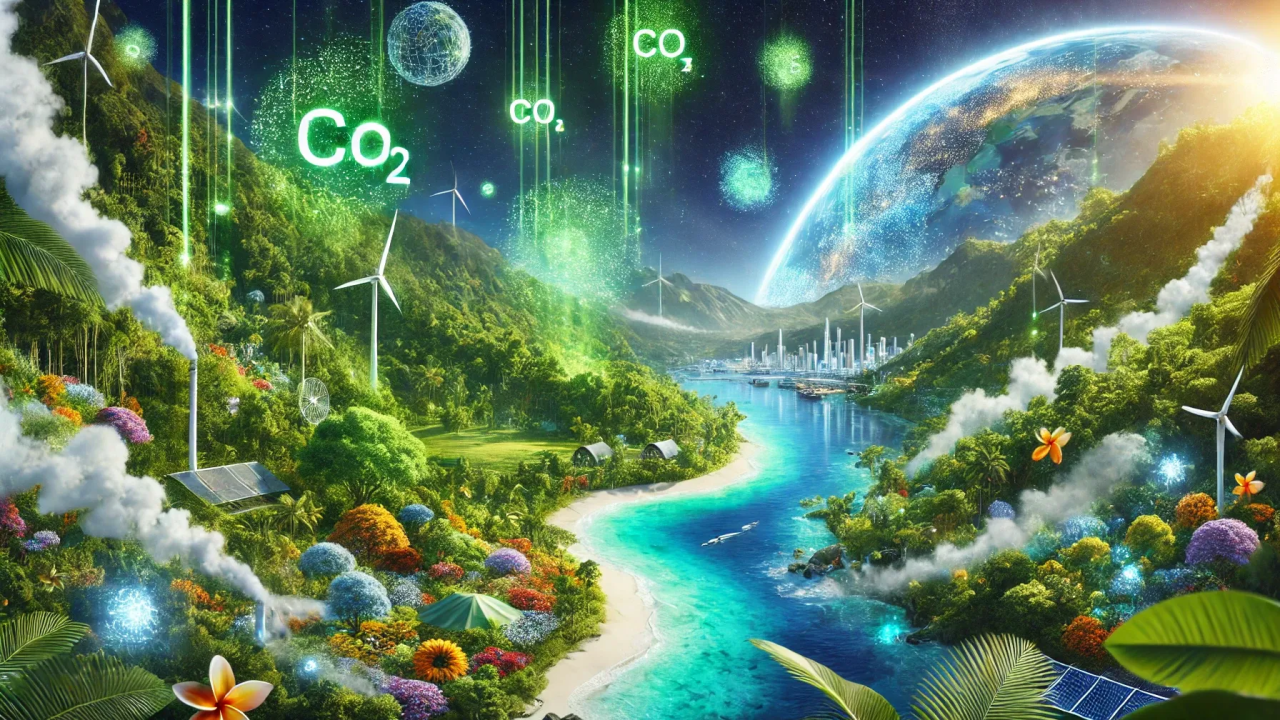
It binds and mineralizes CO₂ through natural weathering.
It neutralizes acidity in soil and water.
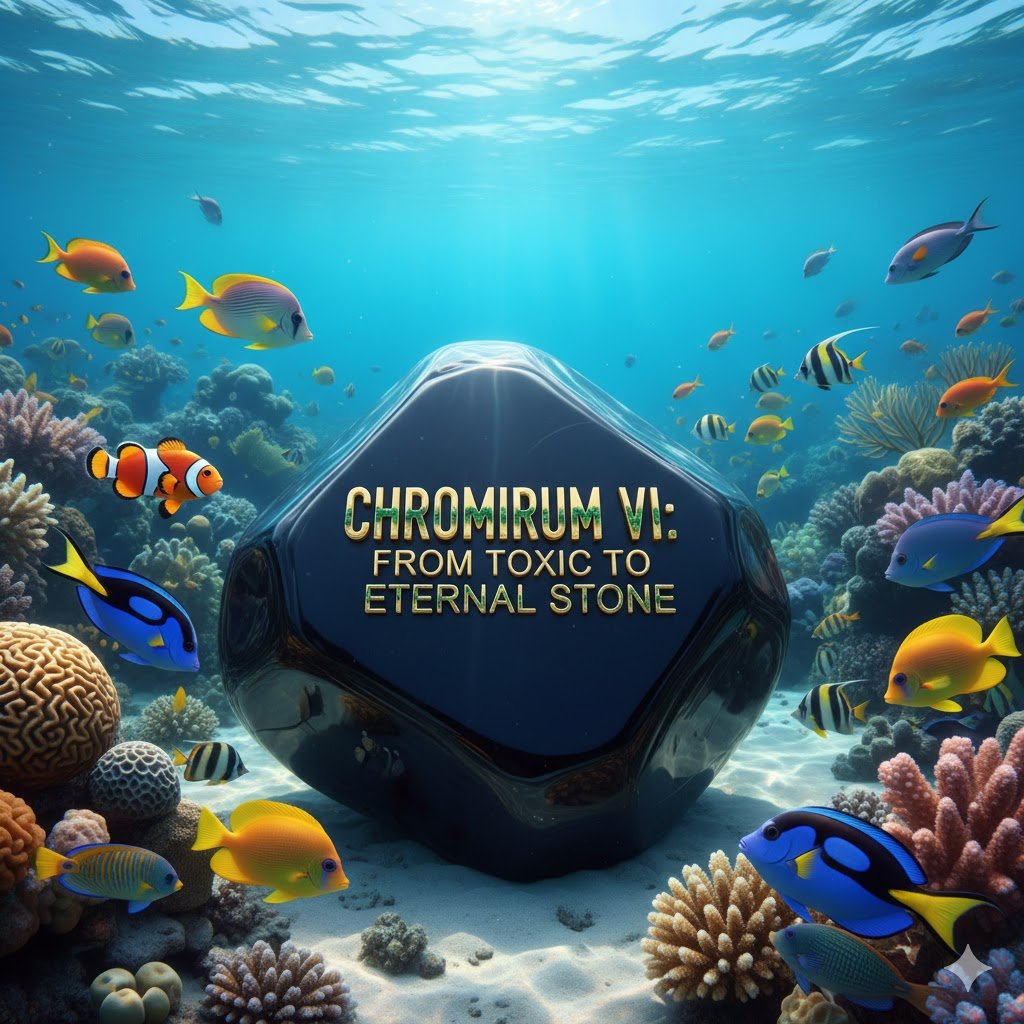
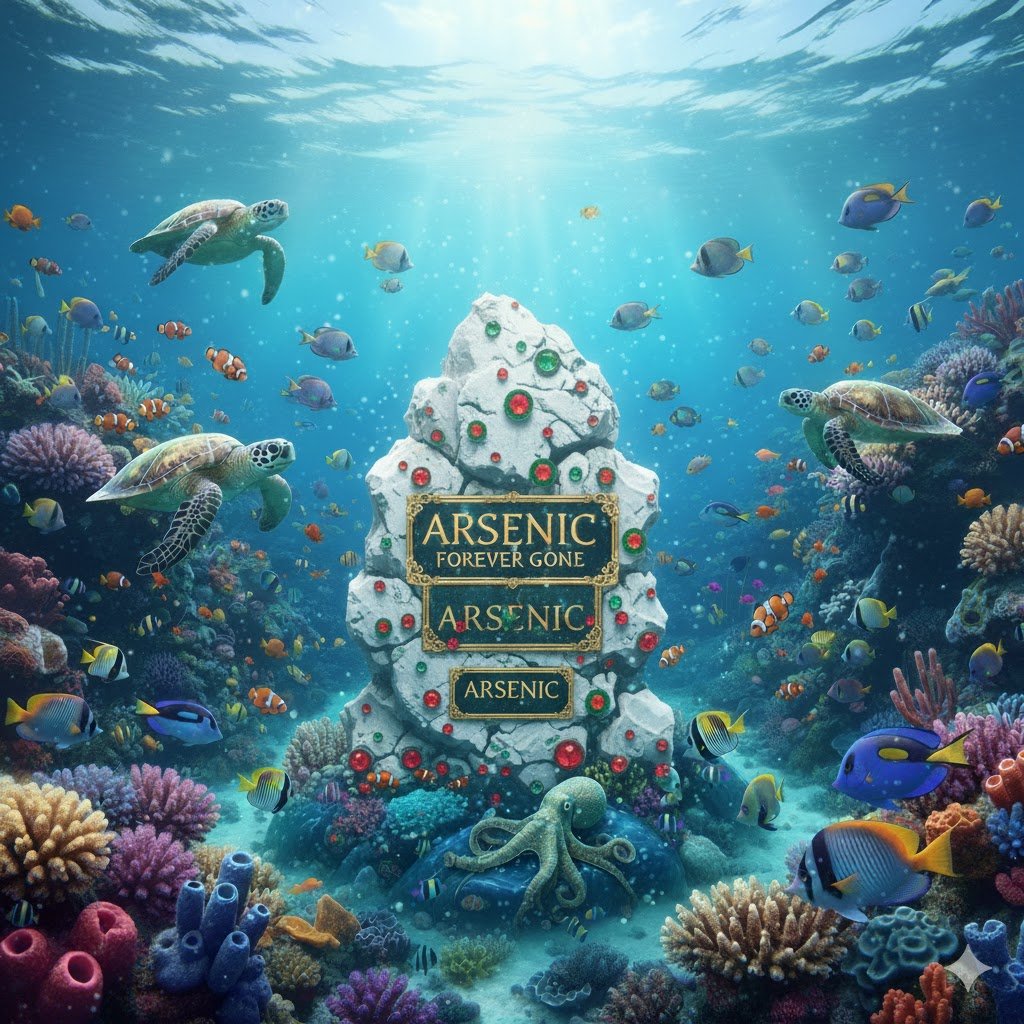
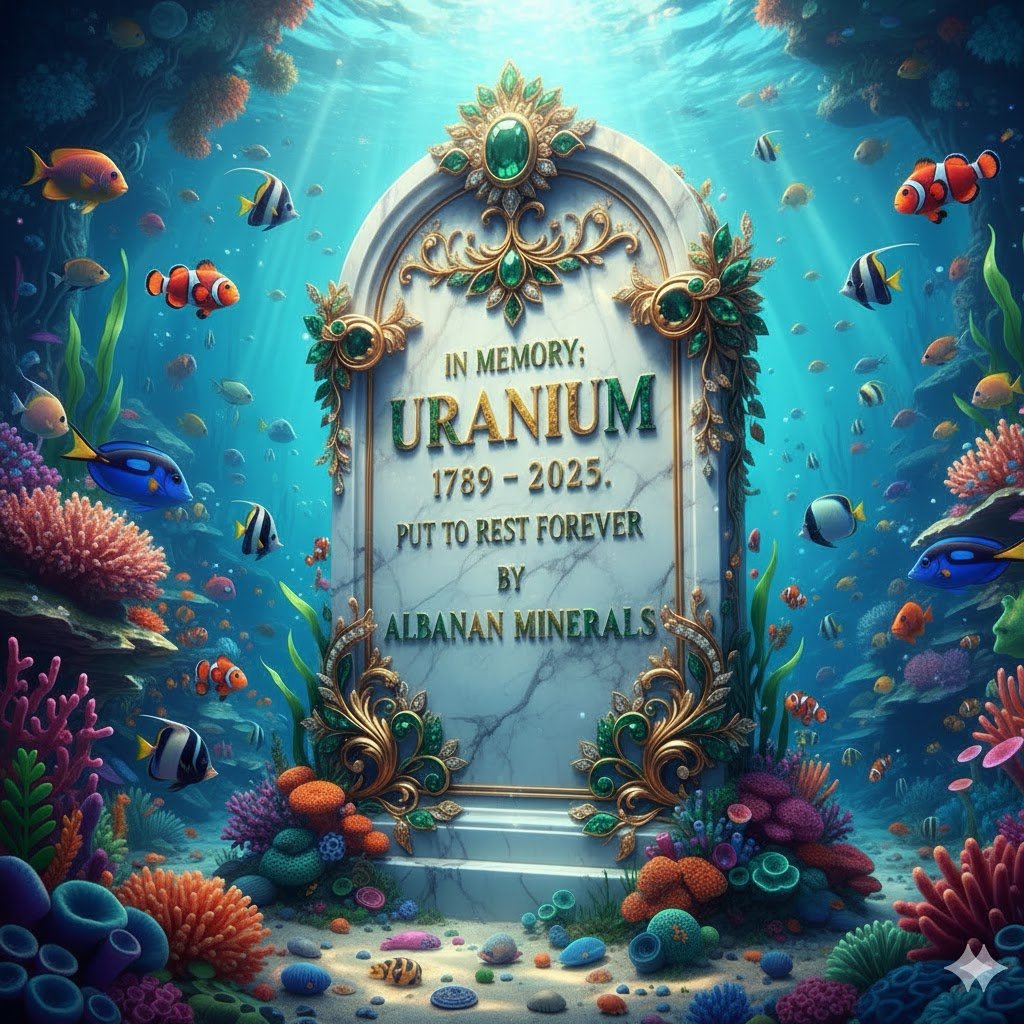
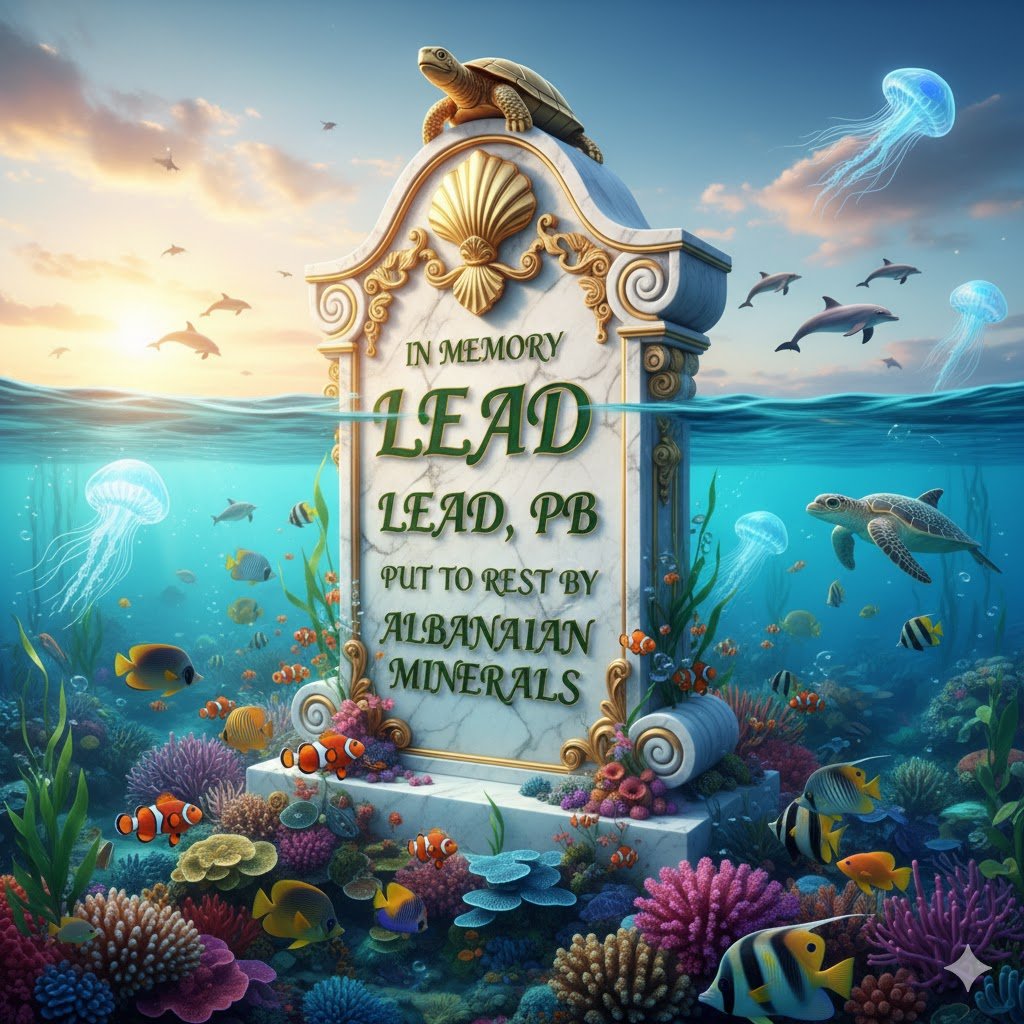
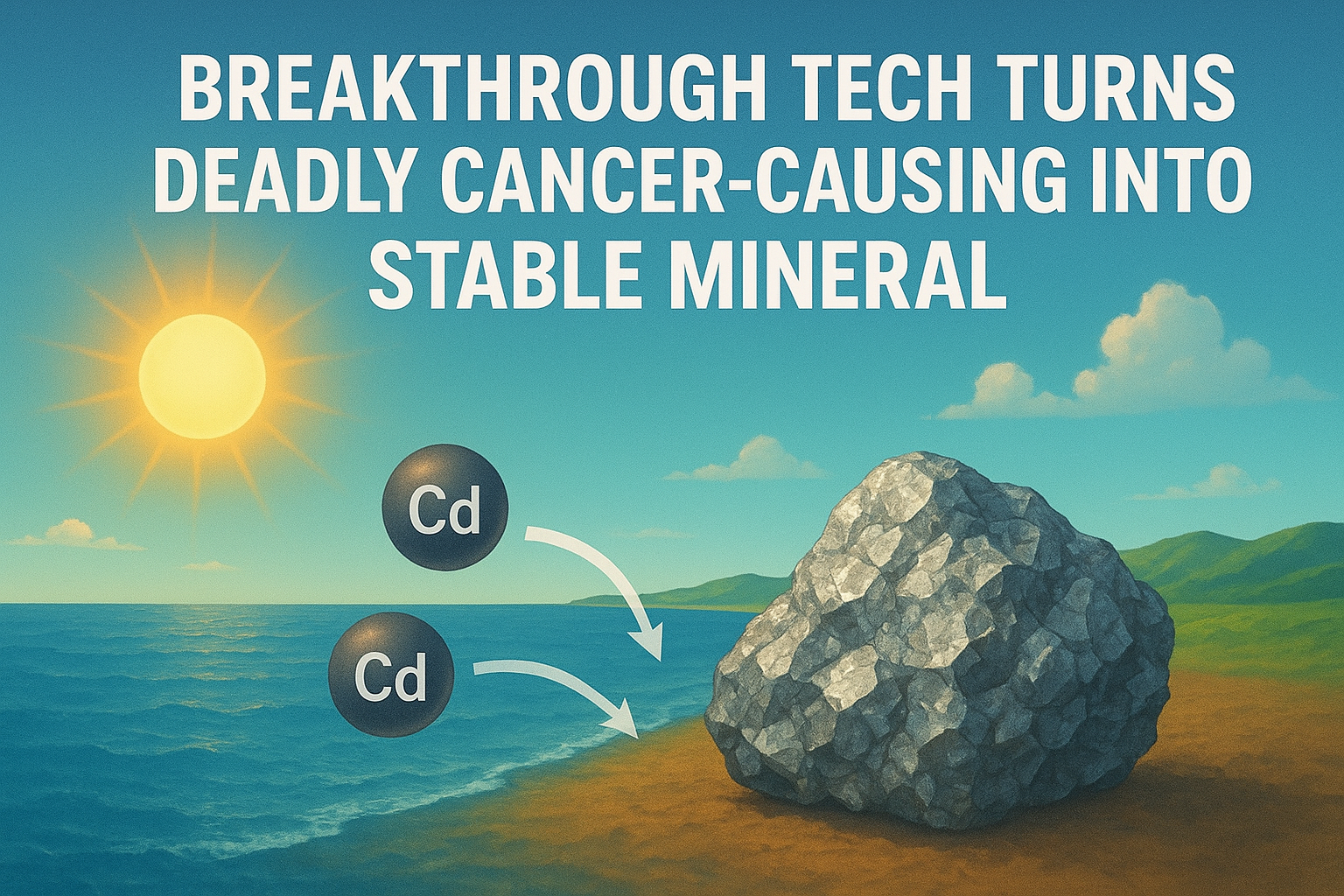
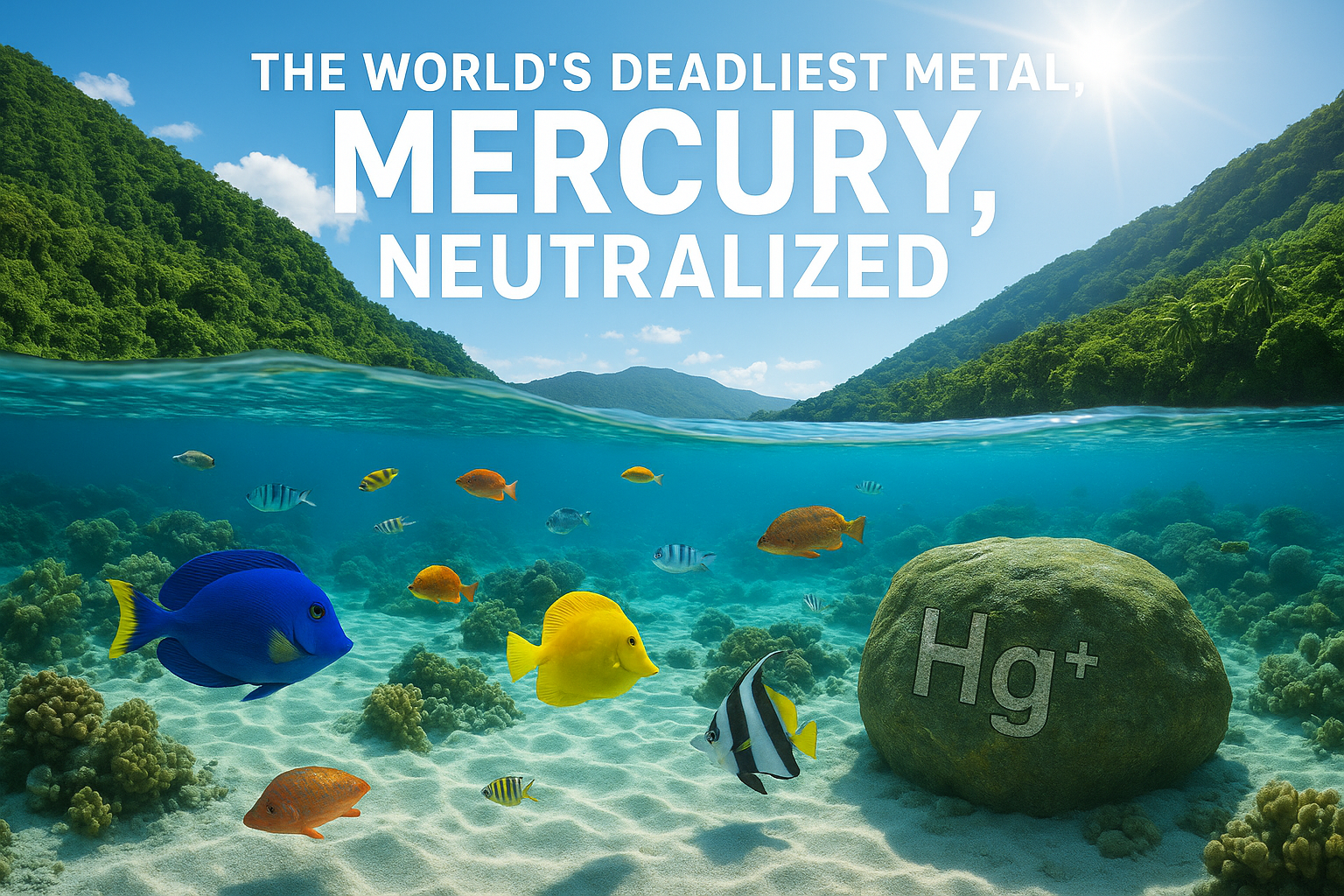
It immobilizes heavy metals by turning them into harmless solids.
It supports ecological regeneration by releasing essential nutrients.
Its processes require no artificial energy inputs.
They operate on sunlight, rainfall, and the chemistry of natural systems.
To Muja, this represents more than geology—it represents a blueprint for industrial naturalism, a model of industry that behaves like an ecosystem: regenerative, efficient, non-polluting, and self-balancing.
A New Economic Architecture: Muja’s broader vision imagines an economy where environmental restoration is not a cost but a source of value.
He has publicly advocated for financial mechanisms that:
link economic value to ecological restoration
direct capital toward carbon removal
incentivize soil healing and water purification
support green industrial innovation
embed ethical stewardship into the heart of global commerce
In this emerging paradigm, profit is generated not from depletion but from regeneration.
Whether through mineral-backed currencies, decentralized ecological finance, or regenerative technologies, the core idea remains consistent: finance must evolve from speculation to responsibility.
The Human Story Behind the Vision: What makes Muja’s perspective compelling is not merely its ambition but its origin.
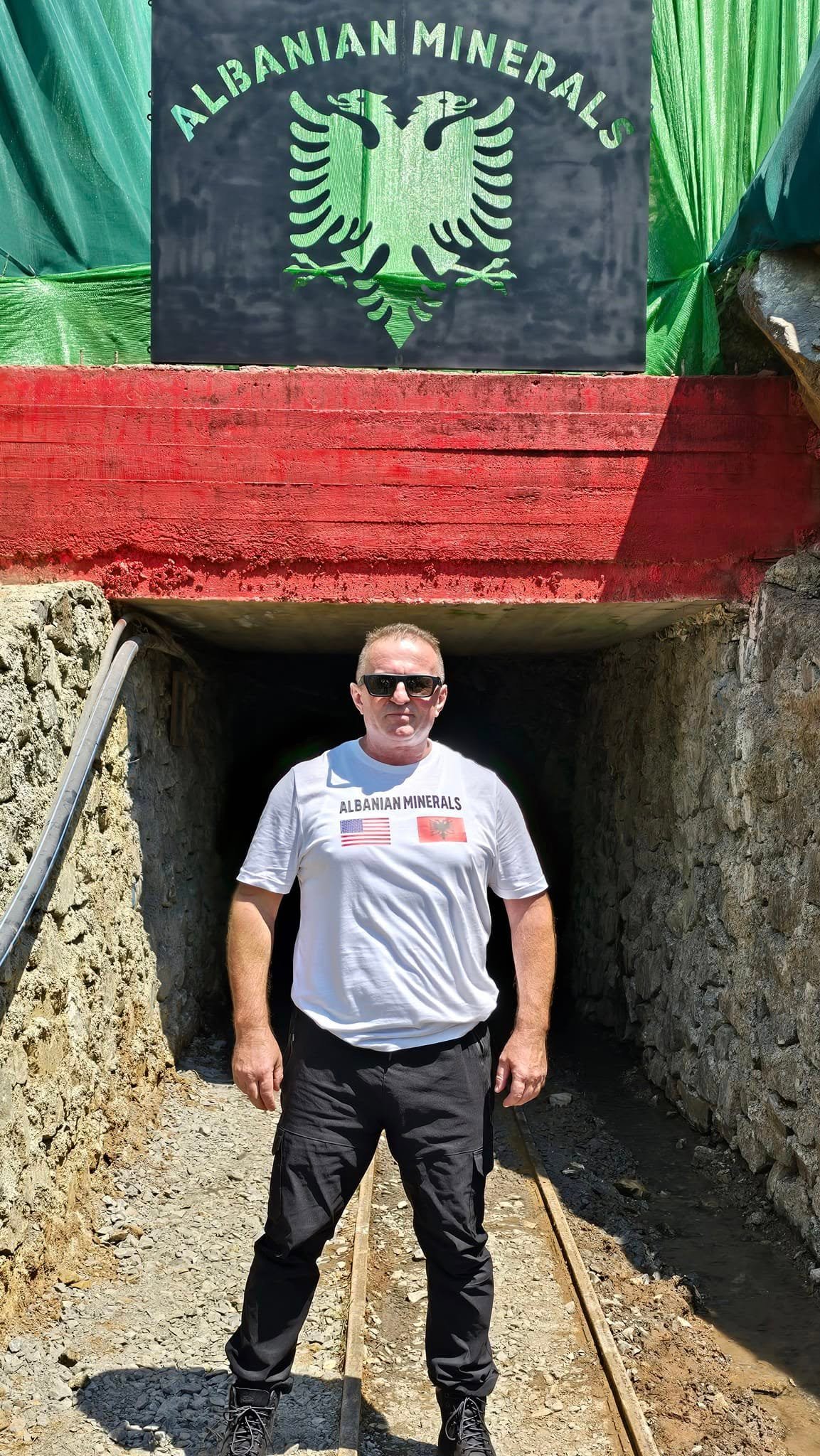
His personal story—growing up in Tropoje, Albania, and rising from modest beginnings—infuses his philosophy with human depth.
He speaks not as a beneficiary of inherited advantage but as someone who learned early the value of work, opportunity, and environmental respect.
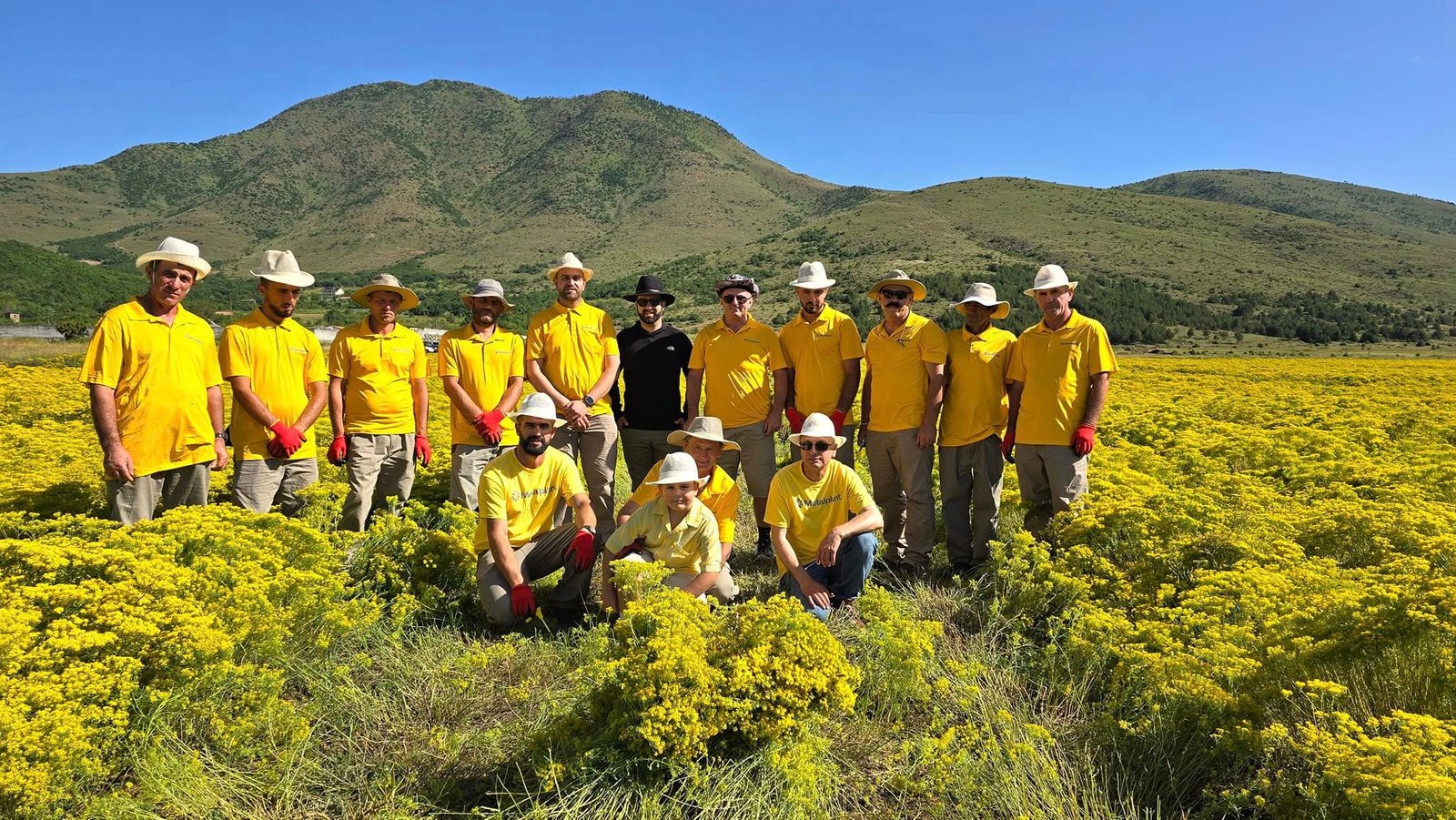
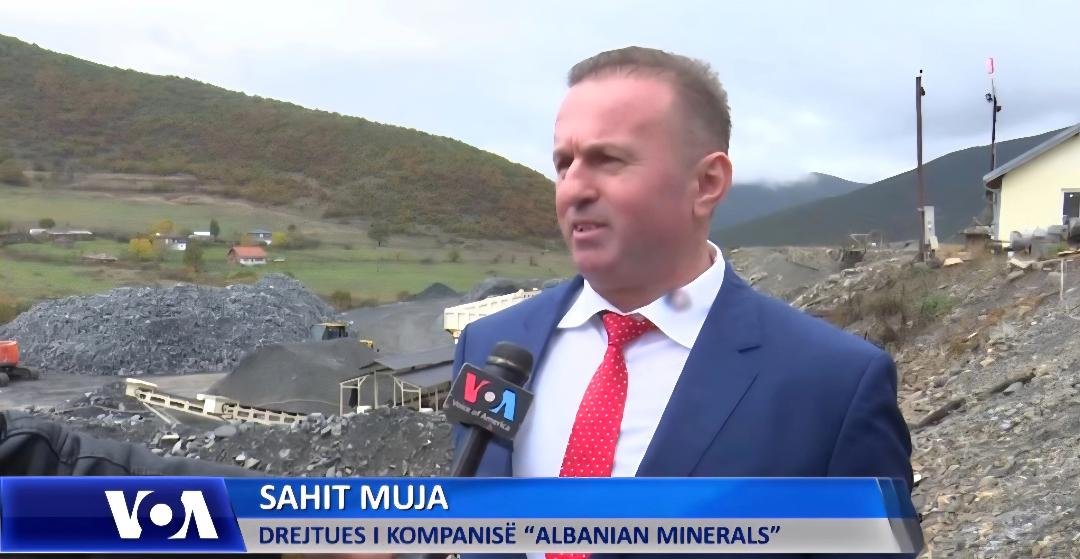
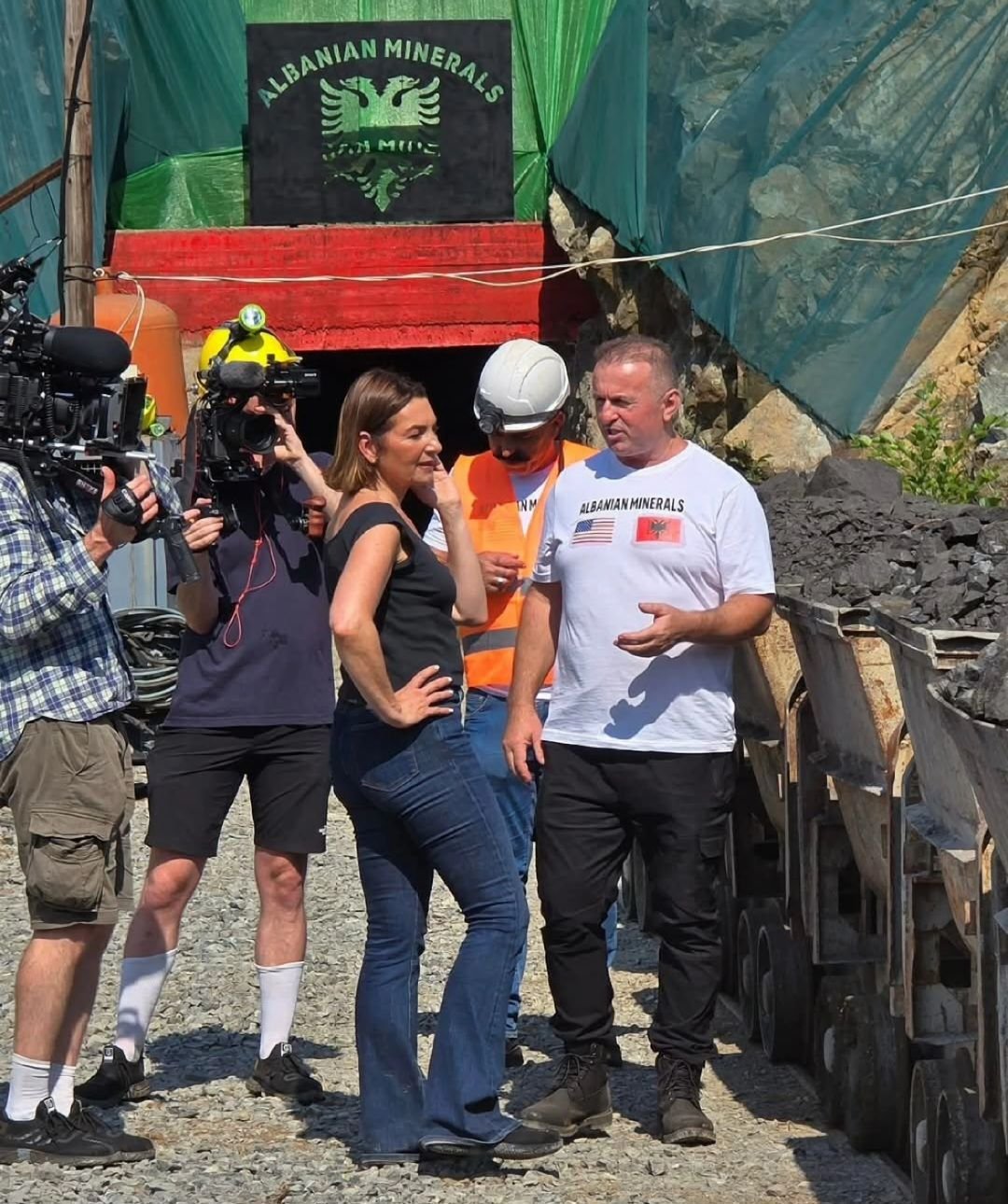
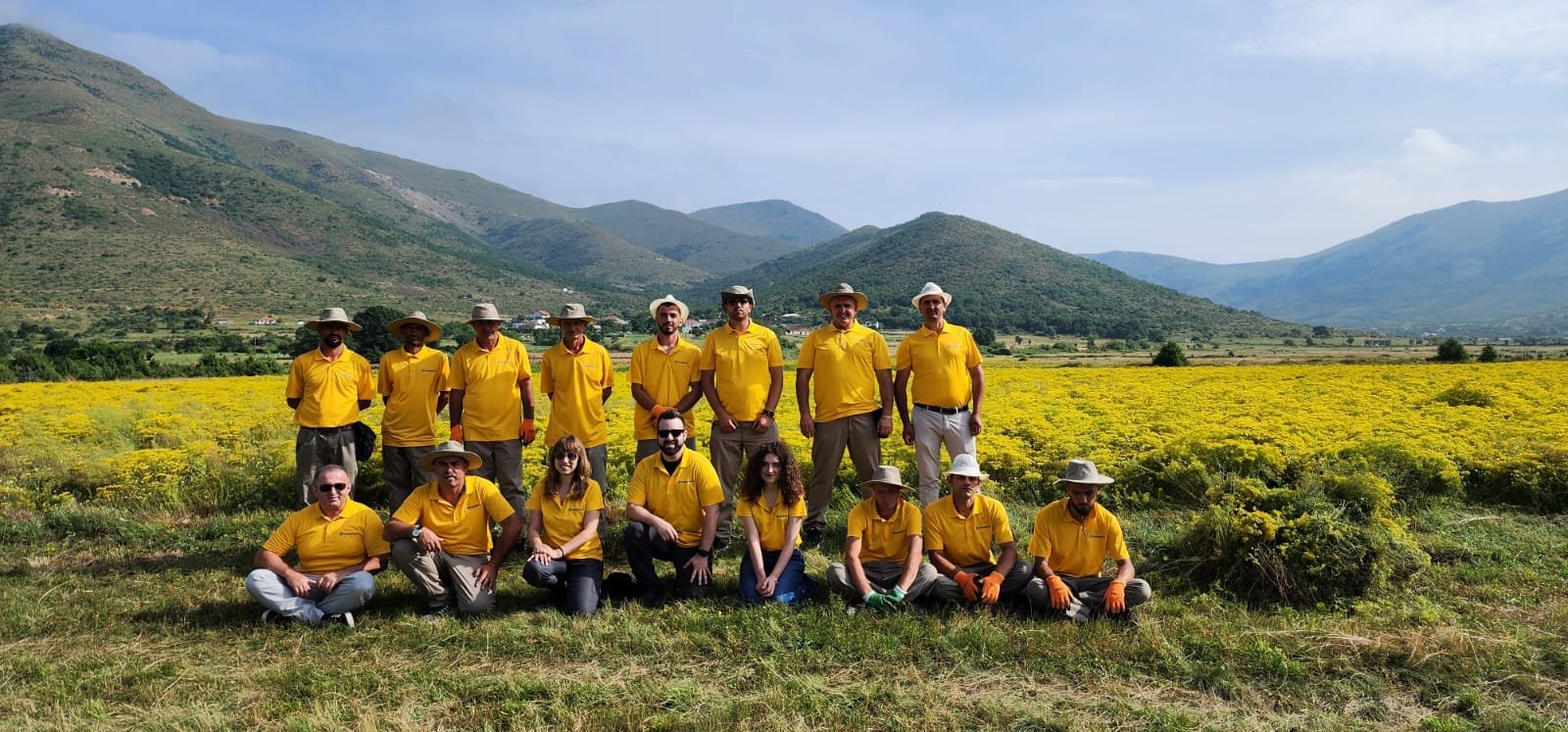
His trajectory from collecting medicinal plants as a child to leading global mineral ventures and technology initiatives is an example he often frames not as self-celebration but as a testament to possibility—what human beings can achieve when given the tools and the freedom to build.
A Vision Larger Than Any One Industry
Ultimately, Muja’s ideas invite humanity to rethink its relationship with the Earth.
From extraction to regeneration.
From borders to cooperation.
From competition to reciprocity.
From scarcity thinking to planetary abundance.
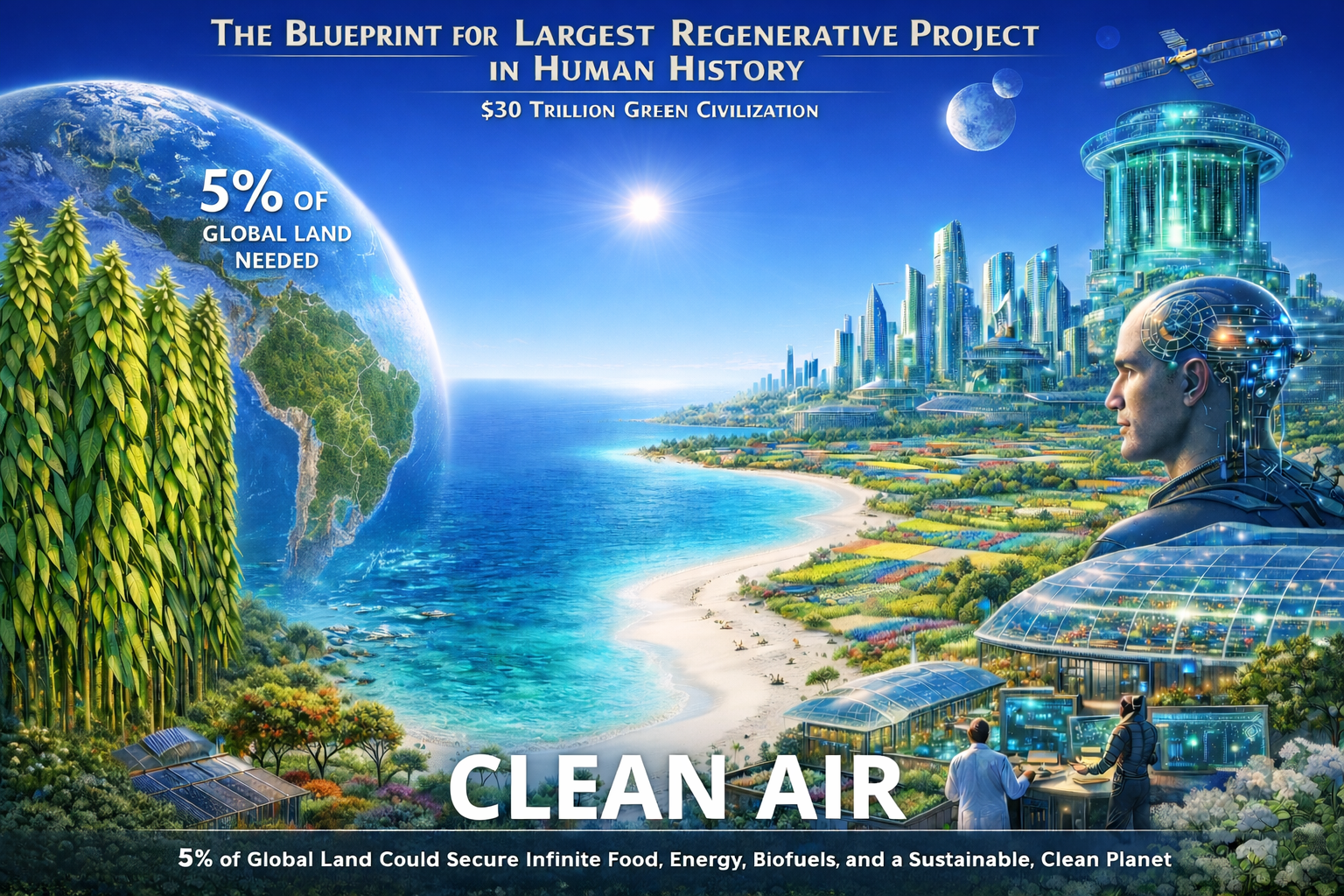
In his view, the age of extraction must become the age of restoration, and the age of division must give way to a civilization that recognizes the unity of its geological inheritance.
A Planetary Imperative
The future will be shaped not by those who cling to outdated models but by those bold enough to imagine systems aligned with the logic of nature and the ethics of interdependence.
Muja’s vision—mining without borders, industry aligned with ecology, finance aligned with regeneration—is not presented as utopian fantasy but as a necessary evolution.
A pathway where nations prosper together rather than despite one another.
A future where the Earth heals and humanity thrives with it, not against it.
The Earth predates every human boundary.
Its minerals are older than our languages.
Its chemistry is wiser than our politics.
To honor that truth is to build a civilization worthy of its inheritance.